Last updated: November 1, 2026
Quick Answer
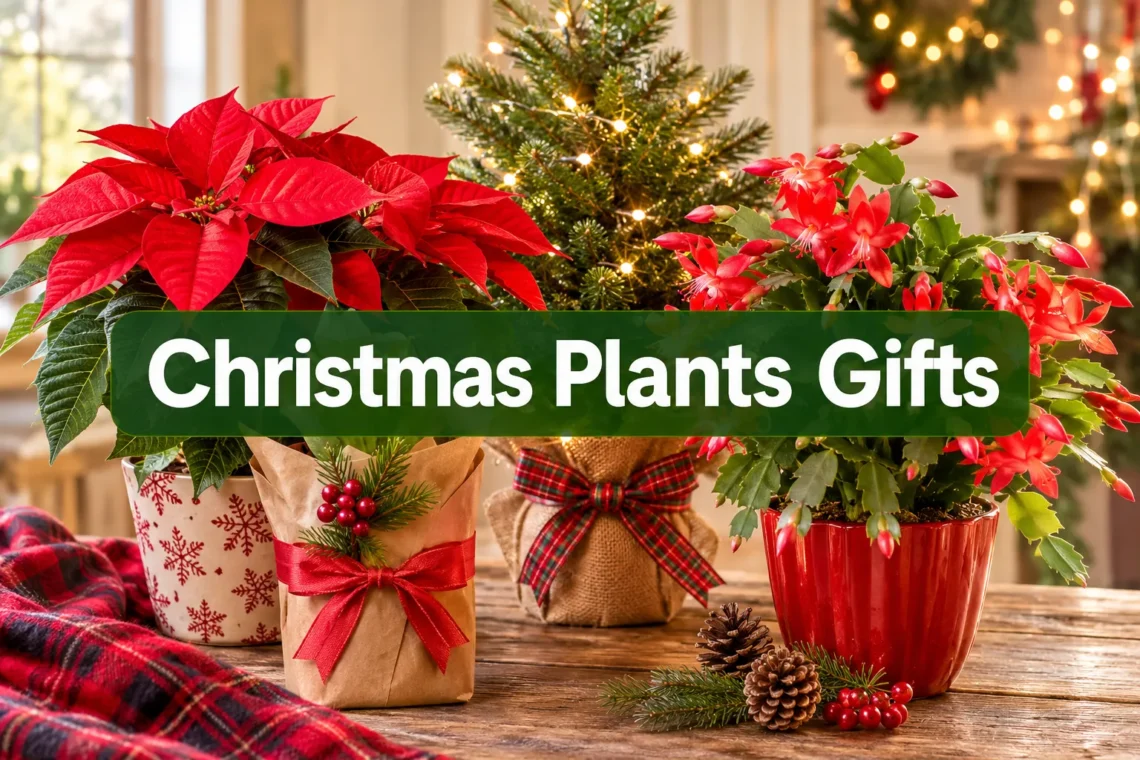
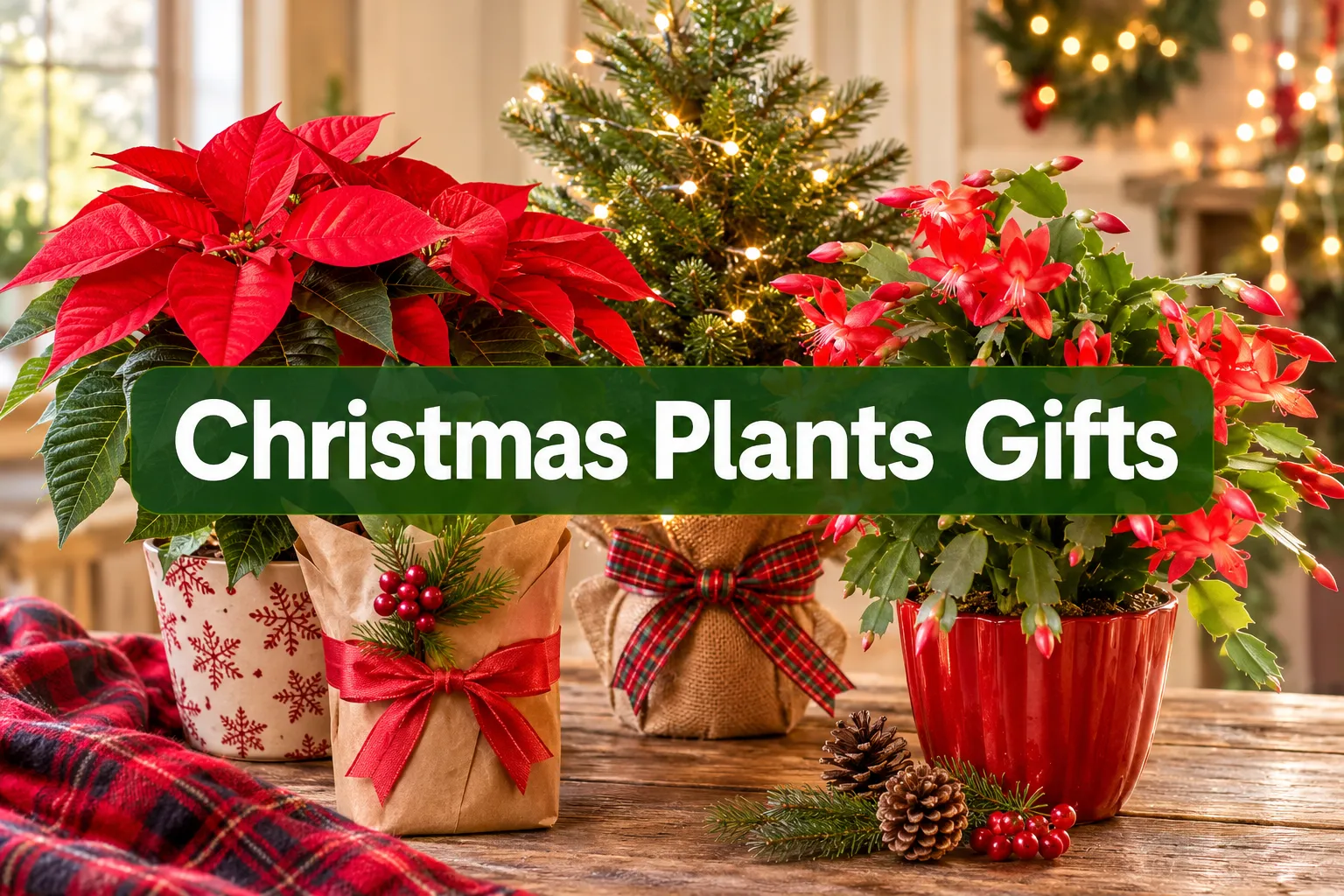
Christmas plants gifts under $30 are the easiest way to give something that lasts longer than a bouquet and costs less than a sweater. Poinsettias, Christmas cactus, amaryllis bulbs, and low-light houseplants like snake plant and pothos all fit this price range and survive weeks or months with basic care. The best picks need little water, tolerate average indoor light, and come in a small pot that’s easy to ship or carry.
Key Takeaways
- Most potted Christmas plants gifts stay under $30, even with a decorative pot included, based on current holiday plant listings from retailers like Jackson & Perkins and Sendplants.
- Poinsettias and christmas cactus are the two most recognizable holiday plants, but amaryllis bulbs give a longer-lasting bloom for about the same price.
- Snake plant, pothos, and spider plant work as “non-seasonal” christmas plants gifts for recipients who want something that lives all year.
- Pet friendly plants like christmas cactus, spider plant, and most succulents are safer choices if the recipient has cats or dogs.
- Most holiday plants need bright indirect light, not full sun, and should dry out slightly between waterings.
- A wilting plant after the holidays is usually fixable with better light and less water, not a lost cause.
- Fresh cut greenery like cedar garland and small live trees make good low-cost add-ons when shopping for gifts.
What makes a good Christmas plants gift
A good Christmas plants gift is small, affordable, low-maintenance, and either blooms around the holiday or looks festive with red or green foliage. It should survive a week of neglect without dying, since most recipients won’t water it on day one.
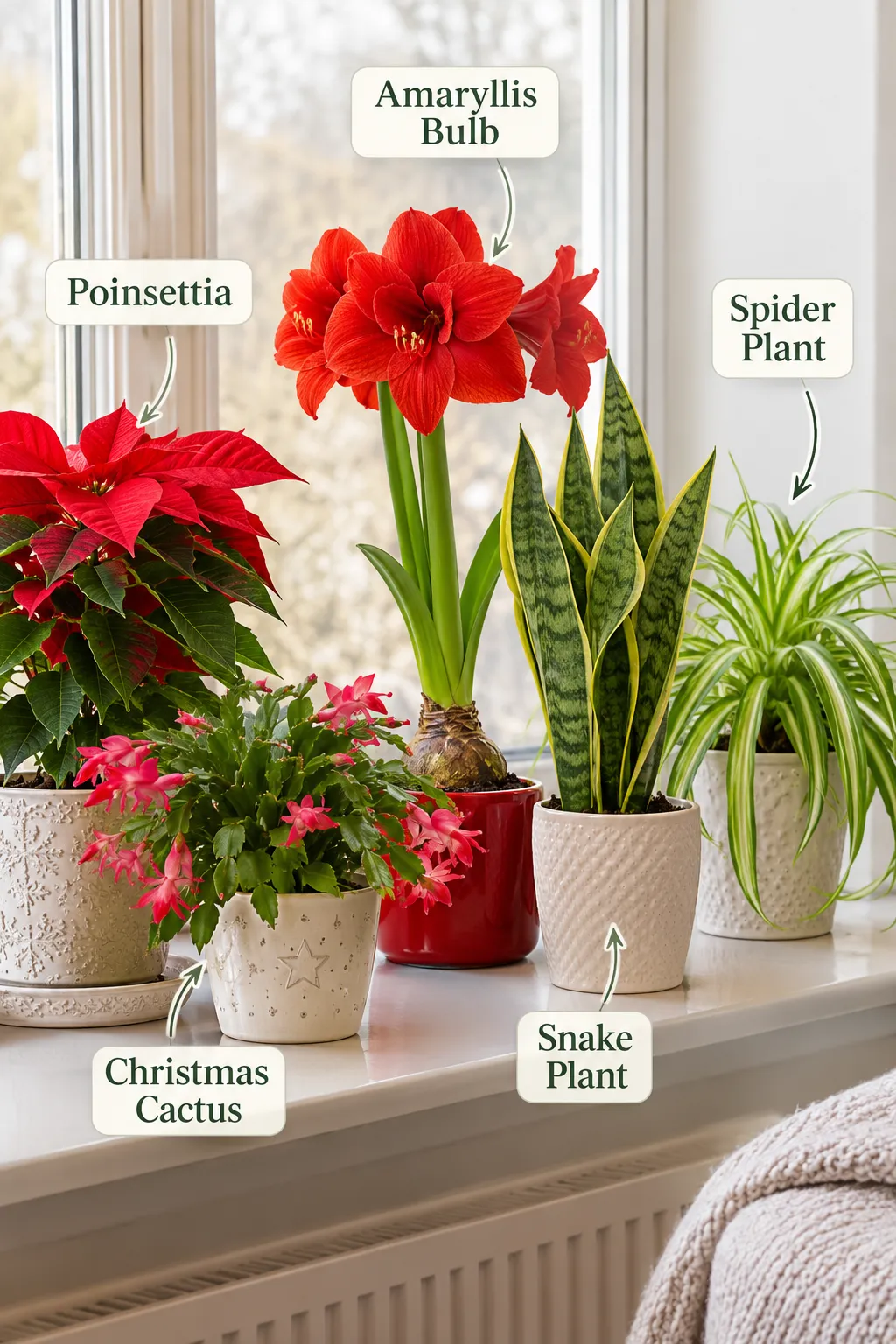
The best gift plants check these boxes:
- Compact size – fits on a windowsill or small table, no repotting needed right away
- Forgiving care – tolerates missed waterings or average indoor light
- Visual appeal – red, white, or green color that reads as “holiday” without a card attached
- Personalizable – can include a gift message, ribbon, or decorative pot cover
- Price under $30 – easy impulse buy for coworkers, teachers, or hosts
Buying guides from Chaplin Film Festival’s gift roundup and Chevy Guide’s plant gift list both point to the same core group: poinsettia, amaryllis, christmas cactus, and small potted trees. Choose a poinsettia if the recipient wants classic red color on the table. Choose amaryllis if they want something that keeps blooming into January.
Are Christmas plants easy to care for
Yes, most popular christmas plants are genuinely easy care plants, needing only moderate light and water every one to two weeks. The exceptions are plants kept too wet or placed near cold drafts, which cause the most common problems.
Easy care doesn’t mean no care. A poinsettia dropped on a windowsill in direct winter sun can scorch. A christmas cactus left in standing water will rot at the base within weeks. The fix is simple: bright, indirect light and a pot with drainage.
If you’re buying for someone who’s killed a plant before, lean toward snake plant or pothos instead of poinsettia. Our houseplants for beginners guide covers exactly which plants forgive missed watering and bad light the most.
Which Christmas plants need the least light
Snake plant, pothos, and christmas cactus need the least light of any popular holiday plant, tolerating low indoor light for months without dropping leaves. Poinsettia and amaryllis, by contrast, need bright indirect light to keep their color and bloom going.
If the gift is headed to a dim apartment or office cubicle, skip the poinsettia. A snake plant or pothos will outlast the holiday season easily. Our guide to houseplants for low light that survive neglect breaks down exact light requirements room by room.
Decision rule: choose low-light plants (snake plant, pothos, ZZ plant) for offices and north-facing rooms. Choose poinsettia or amaryllis only for bright windows getting several hours of indirect sun.
How long do Christmas plants actually last
A well-cared-for poinsettia can hold its color for six to eight weeks, while an amaryllis bulb typically blooms for six to eight weeks as well, often stretching into January. Christmas cactus can rebloom year after year if kept cool and slightly dry in fall.
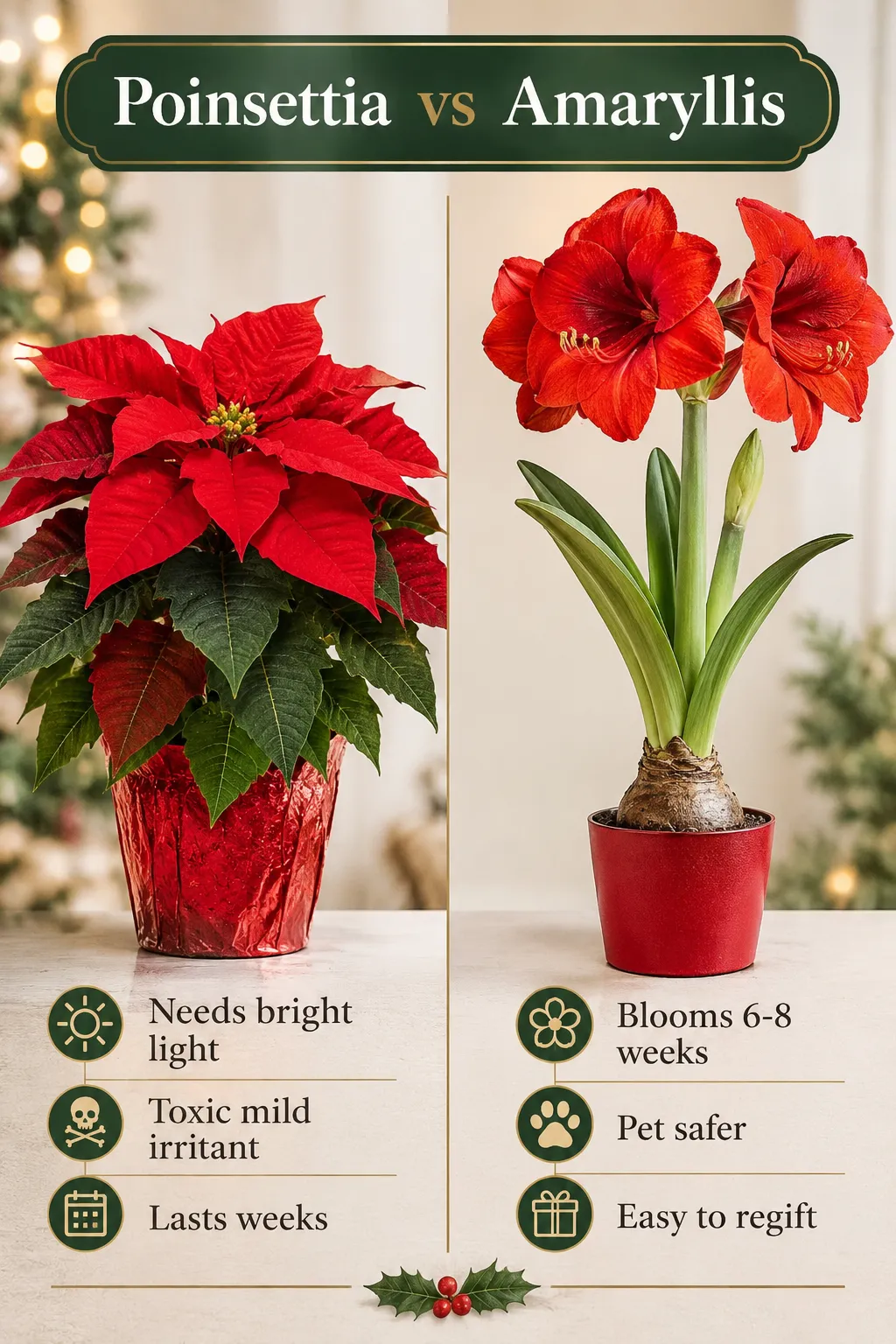
Here’s a rough lifespan comparison:
| Plant | Typical display life | Reblooms? |
|---|---|---|
| Poinsettia | 6-8 weeks | Difficult, rarely rebloomed by home growers |
| Amaryllis bulb | 6-8 weeks bloom | Yes, with dormancy period |
| Christmas cactus | Blooms 4-6 weeks | Yes, annually |
| Snake plant / pothos | Lives indefinitely | N/A, foliage plant |
Retailers like PlantStore.ie and Blossoming Gifts both market these plants as longer-lasting alternatives to cut flower arrangements, which usually wilt within a week.
What Christmas plants are safe for cats and dogs
Christmas cactus, spider plant, and most succulents are considered pet friendly plants, while poinsettia and amaryllis bulbs can cause mild stomach upset if chewed by a cat or dog. Poinsettia’s toxicity is often overstated, it’s mildly irritating, not lethal, but it’s still smart to keep it out of reach.
For homes with curious pets, safer picks include:
- Christmas cactus
- Spider plant
- Most succulent varieties, including small cactus gifts
- Peperomia
Amaryllis bulbs are actually more concerning for pets than poinsettia, since the bulb itself is more toxic if dug up and chewed. If pet safety matters more than tradition, a small cactus or christmas cactus arrangement is the better call.
Can you keep a Christmas plant alive after the holidays
Yes, most christmas plants can live well beyond the holiday season with the right follow-up care. Poinsettias need a dormancy cycle to rebloom, amaryllis bulbs can be stored and replanted, and christmas cactus often blooms again the next winter if kept cool in autumn.
Here’s what to do after the tree comes down:
- Move poinsettias to a sunny spot and reduce watering through spring
- Let amaryllis foliage grow after blooming, then store the bulb dry for 8-10 weeks before replanting
- Keep christmas cactus in a cool room (55-65°F) with less water starting in September to trigger next year’s blooms
- Repot foliage plants like pothos or snake plant once roots fill the container
For anyone decorating a living plant instead of a cut tree, check out 12 ideas for decorating houseplants for Christmas and pothos Christmas decor styling ideas for ways to dress up a plant that’s sticking around all year.
Where to buy Christmas plants under 30 bucks
Online plant retailers, garden centers, and marketplaces like Etsy all carry christmas plants gifts under $30, often with same-week delivery during the holiday rush. Search local nurseries first if you want a live, healthy plant you can inspect before buying.

Good starting points:
- Sendplants’ Christmas plant collection for shipped gift plants
- Jackson & Perkins holiday gift shop for ready-decorated arrangements
- Plant Addicts’ Christmas plants selection for a wider variety of less common holiday plants
- Etsy’s small plant gift market for personalizable, handmade pot options
Shop early. Add to cart by early December for the best chance at preorder slots and guaranteed delivery before the holiday itself. Popular collections sell out fast in the two weeks before Christmas.
How often should you water Christmas plants
Most Christmas plants gifts need watering once every one to two weeks, letting the top inch of soil dry out between waterings. Overwatering, not underwatering, is the top cause of holiday plant death.
Quick watering tips by plant:
- Poinsettia: water when topsoil feels dry, never let it sit in a saucer of water
- Christmas cactus: water deeply, then let dry out before watering again
- Amaryllis: water lightly until the stalk emerges, then increase slightly
- Snake plant, pothos: water every 2-3 weeks, these tolerate drought well
A pot with smart watering features, like a self-watering reservoir, takes the guesswork out for recipients who forget. These show up more often in holiday plant gift sets this year.
Poinsettias vs amaryllis: which is better for gifting
Poinsettia is the better gift for instant, classic holiday color, while amaryllis is the better gift for a longer bloom window and easier regrowth. Choose poinsettia for a dinner party centerpiece. Choose amaryllis for someone who wants to watch a flower grow over several weeks.
Poinsettia wins on price and recognizability. Amaryllis wins on bloom longevity and the fact that a waxed, bulb-only version needs zero soil or water at all, making it close to the lowest-maintenance holiday gift plant on the market.
What if your Christmas plant starts dying
A dying Christmas plant usually needs less water and more indirect light, not more attention overall. Check the soil first: soggy soil means root rot risk, bone-dry soil means it’s thirsty.
Common mistakes and fixes:
- Yellow leaves + soggy soil: stop watering, move to better drainage
- Dropping leaves near a window: likely a cold draft, move away from the glass
- Faded color on poinsettia: normal aging, not a care failure
- Wilting cactus: check for root rot at the base, trim any mushy segments
If the plant is a pothos variety struggling through winter, our pothos winter care checklist walks through fixing yellow leaves step by step.
Are succulents better Christmas gifts than traditional plants
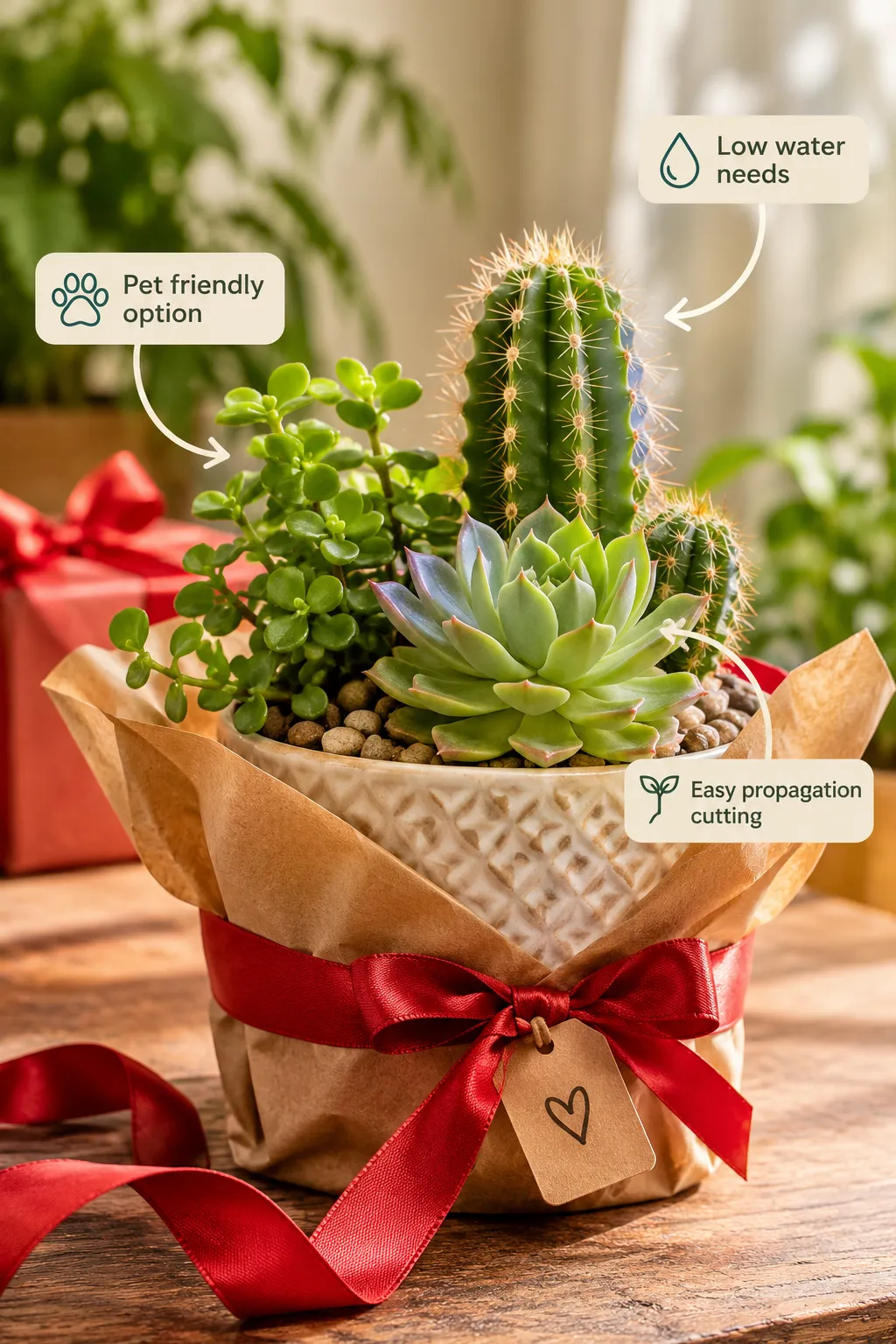
Succulents and small cactus plants are often better gifts than traditional poinsettia or amaryllis for recipients who travel often or forget to water, since they tolerate weeks of neglect. Traditional holiday bloomers still win on festive color and seasonal tradition.
For a DIY approach, arranging a few succulents into one holiday pot makes a personalizable, inexpensive gift. Check out DIY succulent planter ideas for an afternoon project that costs less than a single store-bought arrangement.
Edge case: if the recipient already has pets and young kids, a small cactus gift set is often the safest and lowest-fuss option of the entire holiday plant category.
Do Christmas plants need special soil or humidity
Most popular holiday plants, including poinsettia, christmas cactus, and amaryllis, do best in standard well-draining potting mix and average household humidity. None require specialty soil blends or added humidity trays to survive the season.
Exceptions exist. Christmas cactus appreciates slightly higher humidity, since it’s a tropical species despite the name. A pebble tray or occasional misting helps, but isn’t required for survival indoors.
What’s the most common mistake people make with Christmas plants
The most common mistake is overwatering, often caused by decorative foil wrap trapping water at the base of the pot. Always poke a drainage hole in foil wrapping or remove it before watering.
Second most common mistake: placing plants too close to heating vents, which dries out leaves fast and shortens bloom time. Keep christmas plants away from radiators, fireplaces, and drafty doors.
Can you regrow or propagate Christmas plants
Yes, christmas cactus and pothos both propagate easily from cuttings, while amaryllis bulbs can be saved and replanted year after year. Poinsettias are harder to regrow from cuttings but can be kept alive as a houseplant through spring and summer.
To propagate christmas cactus, snap off a few segments, let them callus for a day, then place in moist soil. New roots typically form within two to four weeks. For general indoor plant care across winter, our guide to bringing houseplants in for winter is a useful companion read.
15 Easy-Care Christmas Plants Gifts Under $30
- Poinsettia (classic red)
- White poinsettia
- Christmas cactus
- Red christmas cactus
- Waxed amaryllis bulb
- Potted amaryllis
- Snake plant, small pot
- Pothos (devil’s ivy), small pot
- Spider plant
- Peace lily, small size
- Mini potted christmas tree (live, small size)
- Succulent trio gift set
- Small cactus gift set
- Cedar garland mini wreath
- Fresh cut greenery bundle with a small plant add-on
Any of these fit comfortably under $30, especially when bought without extra decorative packaging. For more indoor plant inspiration beyond the holidays, browse our houseplants and indoor growing hub.
FAQ
What is the best plant to give as a Christmas gift?
Poinsettia is the most traditional and recognizable Christmas gift plant, but amaryllis bulbs and christmas cactus are strong alternatives for longer bloom time. Choose based on the recipient: poinsettia for instant color, amaryllis for a growing experience, cactus for low care.
What is the most unwanted Christmas gift?
Surveys on unwanted gifts consistently flag items like socks, candles, and novelty gadgets rather than plants. Plants tend to rank as a welcomed gift since they’re practical, decorative, and give the recipient something to care for beyond the holiday itself.
What is the 7 gift rule for Christmas?
The 7 gift rule suggests giving seven categories: something to wear, read, want, need, do, eat, and a surprise. A small Christmas plant fits neatly into the “want” or “surprise” category, especially paired with a gift message or decorative pot.
What plant symbolizes Christmas?
Poinsettia is the most widely recognized plant symbol of Christmas, thanks to its red and green coloring that matches the holiday palette. Holly, mistletoe, and evergreen trees are also traditional symbols tied to winter celebrations across different cultures.
Conclusion
Christmas plants gifts under $30 solve a real problem: cut flowers die in a week, but a potted plant can last months or even years with basic care. Start with poinsettia or christmas cactus for classic color, or go with snake plant and pothos if the recipient needs something nearly impossible to kill.
Before you add to cart this season, match the plant to the person. Low light apartment? Pick pothos or snake plant. Pet owner? Pick christmas cactus or succulents. Someone who loves watching things grow? Amaryllis bulb wins every time.
Check your search results and shop early this November and December, since popular collections sell through fast closer to the holiday. And if your gift plant looks rough by January, don’t panic, most just need less water and a brighter spot to bounce back.