
Last updated: November 11, 2026
Quick Answer
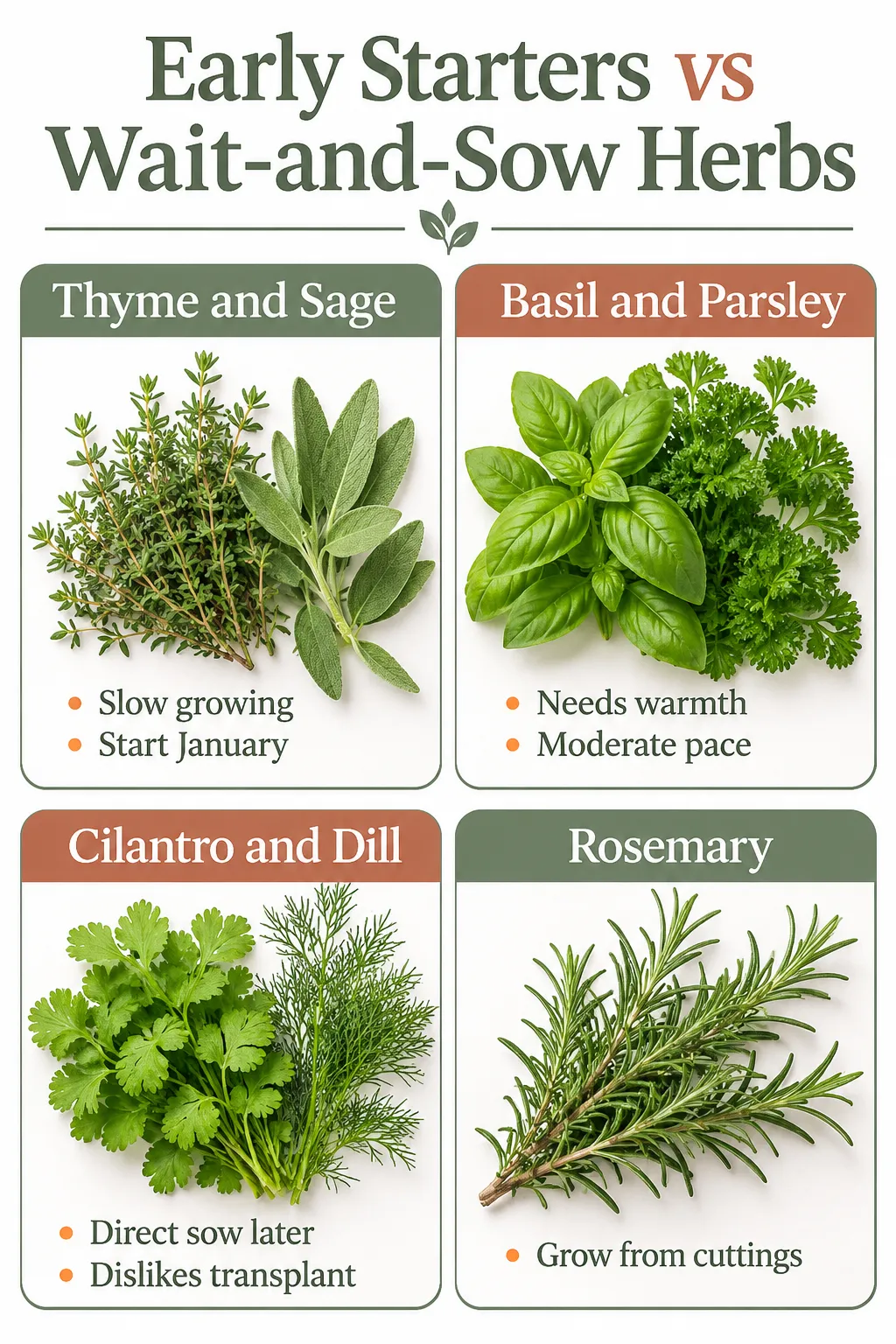
What herbs to plant in January comes down to slow growers: thyme, sage, basil, parsley, oregano, and chives do best started indoors from seed this month, since they take weeks to germinate and need a head start before spring. Skip fast, heat-loving herbs like cilantro, dill, and rosemary from seed until later. A sunny window or grow light and a good seed-starting mix are all you really need to get going.
Key Takeaways
- Slow-to-mature herbs like thyme, sage, and oregano benefit most from a January indoor start, per several 2026 zone-based planting guides.
- Basil, parsley, and chives also do well started indoors in January if you have decent light.
- Cilantro, dill, and French tarragon don’t need (and often don’t want) an early January start.
- A pre-moistened seed-starting mix and gentle bottom heat improve germination rates noticeably.
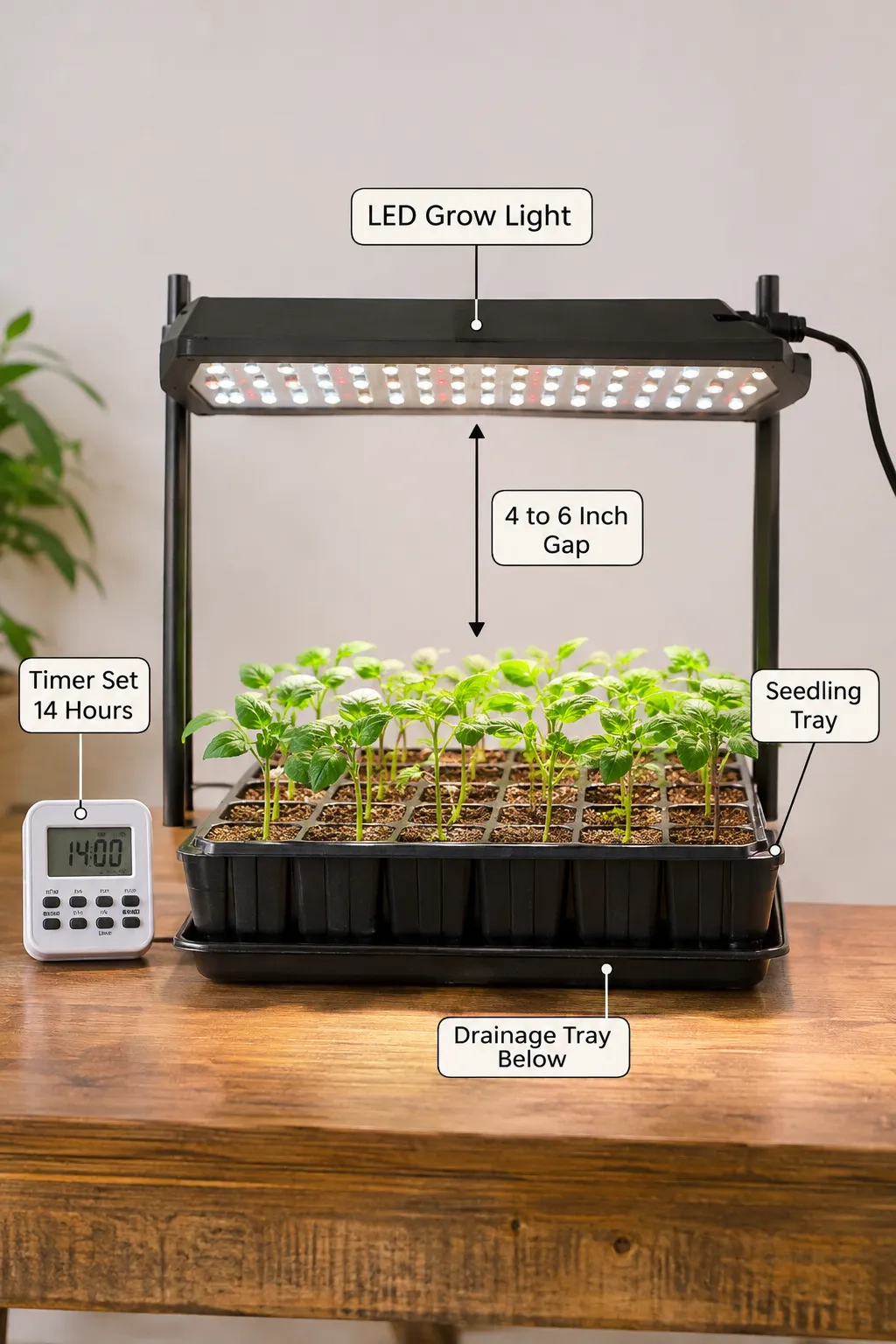
- Grow lights run 12-16 hours daily, placed 4-6 inches above seedlings, make a real difference in cold, dark climates.
- Chive seedlings typically need 4-6 weeks indoors before they’re sturdy enough to harden off.
- January is mostly an indoor-seed-starting month; outdoor transplanting usually waits until March or later, depending on your zone.
What Herbs Can You Actually Grow Indoors in January
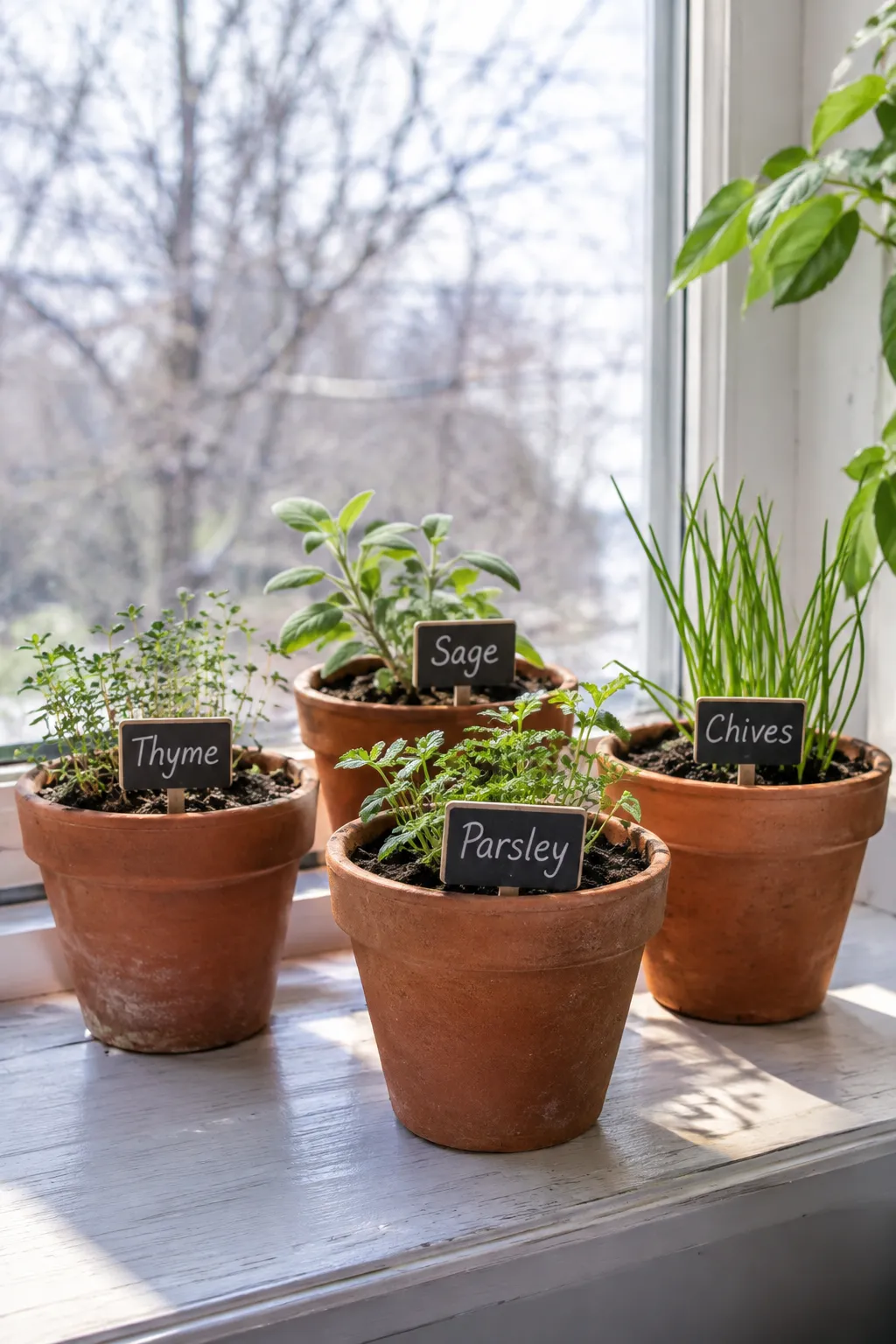
You can grow thyme, sage, basil, parsley, oregano, and chives indoors in January, provided you give them a bright window or supplemental light. These herbs germinate slowly and tolerate the shorter, cooler days better than fast annual herbs do.
Rosemary is trickier from seed (it’s slow and has poor germination rates), so many gardeners start it from cuttings instead. If you’ve got a cold climate where rosemary didn’t survive outdoors, January is actually a smart reset month to start fresh rosemary plants indoors alongside chives, sage, and lemon balm.
If you’re short on outdoor garden space, check out ideas for kitchen herbs and greenery that thrive in containers year-round.
Is January Too Cold to Plant Herbs Outside
Yes, in most of the U.S., January is too cold to direct-sow herb seeds outside. The exception is mild zones like 9b, where some gardeners use January mainly for indoor seed starting and wait until mid to late February before moving anything outdoors.
In Texas zone 9b, for example, Master Gardener guidance frames January as a seed-starting indoors month, with outdoor transplanting happening once frost risk passes. Cooler zones like 5-7 should treat outdoor planting as a March or April task at the earliest. If you’re gardening in zone 7, check a zone 7 specific January planting guide before putting anything in the ground.
Which Herbs Are Easiest to Grow as a Beginner in Winter
Chives, parsley, and basil are the easiest herbs for beginners starting indoors in winter because they germinate fairly reliably and tolerate a bit of neglect. Thyme and sage take longer to sprout but don’t demand much fuss once they’re going.
Here’s a quick rundown of beginner-friendly picks:
1. Thyme – slow but forgiving, doesn’t need rich soil, great windowsill herb.
2. Sage – another slow starter, but once seedlings are up they’re sturdy and low-maintenance.
3. Basil – fast once warm, but needs the brightest spot you’ve got, or a grow light.
4. Parsley – germinates slowly (sometimes three weeks), so don’t panic and resow too early.
5. Oregano – tiny seeds, don’t poke a hole, just press into the seed starting mix.
6. True Mint – spreads fast once established, keep it in its own pot.
7. Lemon Balm – a lemon balm sown in early January can be ready to harvest in about 4-5 weeks, giving you fresh leaves by February.
8. Chives – reliable, onion-flavored, and great in a sunny kitchen window.
9. Uncommon Herbs – things like anise hyssop or astragalus can also be started now if you’re into medicinal herbs; a medicinal herb planting calendar anchors many of these sowings around mid-January.
Can I Start Herbs From Seed in January, or Should I Use Transplants
You can start most herbs from seed in January, but a few, like French tarragon, rosemary, and some mints, grow much faster and more reliably from cuttings or nursery transplants. Seed is cheaper and gives you more plants, but it takes patience.
If you’ve got the patience, starting from seed is rewarding and lets you grow varieties you can’t always find as transplants. If you want quick results or you’re dealing with a finicky herb like tarragon (which rarely sets viable seed at all), buy a small plant instead.
Decision rule: choose seed if the herb is thyme, sage, basil, parsley, oregano, or chives. Choose a transplant or cutting if it’s rosemary, French tarragon, or any mint variety you want to keep “true to type.”
How Do I Keep Herbs Alive During Cold January Nights
Keep herb seedlings away from drafty windows and maintain room temperatures above 60°F at night to prevent cold shock. A cold windowsill can drop 10-15 degrees colder than the rest of the room overnight, which stresses young seedlings.
Move trays a few inches back from the glass after dark, or set them on a table rather than directly on a windowsill. A seedling heat mat under the tray helps a lot too, especially for herbs like basil that hate cold roots. If your houseplants are also struggling with winter chill, our winter houseplant checklist covers similar fixes.
Do I Need Grow Lights for Herbs Planted in January Indoors
Grow lights aren’t always mandatory, but in most of the U.S. in January, natural daylight is too weak and too short for strong herb growth. Iowa State University Extension recommends keeping lights 15-30 cm above herb foliage and running them 12-16 hours a day once natural light falls short.
Basil is the most light-hungry of the common windowsill herbs, while chives and thyme tolerate lower light better. A simple LED grow light placed 4-6 inches above seedlings, run on a timer for 14-16 hours, is a setup several 2026 winter gardening guides recommend as a reliable template.
What’s the Best Way to Grow Herbs in January if I Don’t Have Garden Space
Container growing on a bright windowsill or under a small grow light is the best option if you don’t have outdoor garden space. Herbs like chives, basil, parsley, and thyme adapt well to pots and don’t need much room.
A 6-inch-deep container with drainage holes works for most herbs, including chives, which need that extra root depth. For small apartments, check out kitchen herb and greenery ideas designed for tight spaces, or browse general indoor growing tips for light and humidity basics that apply to herbs too.
How Much Does It Cost to Start an Herb Garden in January
Starting a basic indoor herb garden from seed typically costs under $30, covering seed packets, a seed-starting mix, and small pots, though a grow light setup adds more. Seeds themselves are the cheapest part, usually a few dollars per packet.
If you already own containers and a sunny window, you can skip the grow light cost entirely. Adding a basic LED grow light and heat mat raises the budget, but both are reusable for years, so the cost per herb crop drops fast over time.
When Will Herbs I Plant in January Be Ready to Harvest
Fast herbs like lemon balm can be ready to snip in about 4-5 weeks, while slower herbs like thyme and sage may take several months to reach a full harvestable size. Chive seedlings generally need 4-6 weeks indoors before they’re sturdy enough to harden off and move outside in March.
Parsley and oregano fall somewhere in between, often ready for light harvesting by late February or March if started in early January. Basil grows fastest once it’s warm enough, but needs consistent heat and light to really take off.
Common Mistakes People Make When Planting Herbs in Winter
The biggest mistake is burying tiny herb seeds too deep, since many herb seeds (like oregano and thyme) need light to germinate and should just be pressed onto the surface, not covered. Other common errors include overwatering, skipping the hardening-off step, and planting outdoors too soon.
A few more mistakes worth avoiding:
- Using garden soil instead of a proper seed-starting mix, which compacts and smothers seedlings.
- Planting basil in a cold, drafty spot, then wondering why it stalls.
- Forgetting to harden off seedlings before moving them outside in spring, which shocks tender leaves.
- Planting rosemary from seed and getting frustrated by poor germination, when a cutting would’ve worked better.
- Crowding too many seeds in one cell and never thinning them out.
How Often Should I Water Herbs Planted in January
Water herb seedlings when the top of the seed-starting mix feels dry to the touch, usually every two to four days depending on your home’s humidity and heat. Herbs hate sitting in soggy soil, so good drainage matters as much as watering frequency.
A spray bottle works well for tiny seedlings so you don’t knock them over or wash out the seed. Once true leaves appear, switch to bottom watering by setting the tray in a shallow dish of water for a few minutes, then draining it.
Can I Grow Herbs in January in Really Cold Climates
Yes, you can still grow herbs indoors in really cold climates, you just can’t plant most of them outside. Zones 5-6 gardeners typically stick to starting slow, hardy herbs like rosemary indoors in late January rather than anything outdoors, according to 2026 zone-based planting guides.
Clemson’s January garden calendar for the milder Southeast shows how different the picture gets farther south, where some outdoor herb work is already possible. In really cold zones, think of January purely as prep and indoor-start season, not planting season outside.
Herbs That Need the Least Amount of Light for January Growing
Chives and mint tolerate lower light better than most other common herbs, making them decent picks for a dimmer corner, though they’ll still grow better with supplemental light. Thyme and sage can also manage moderate light, while basil genuinely struggles without strong, direct light or a grow light.
If your space is genuinely dark, consider pairing herbs with other low-light houseplants so your windowsill setup works double duty for the darker months.
Where Should I Buy Herb Seeds for January Planting
Reputable seed companies, local garden centers, and university extension-affiliated seed sources are the safest bets for herb seeds in January. Avoid old seed packets from several years back, since herb seed viability drops over time, especially for parsley and chives.
Check the packet date and germination rate if printed. If you’re unsure which herb seeds suit your zone, a zone 7-8 kitchen garden guide breaks down what’s realistic to start this month in that range.
Tips for Starting Herbs Inside: A Step-by-Step Checklist
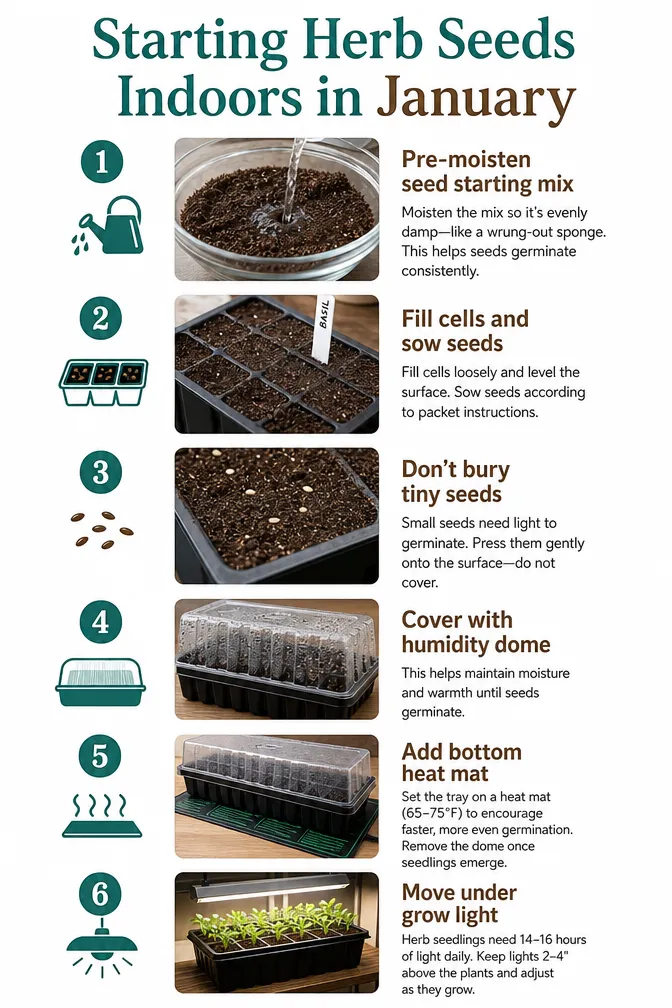
Getting herbs started indoors successfully comes down to a handful of repeatable habits, not luck. Follow these in order for the best germination results.
- Use a seed-starting mix, not garden soil. It’s light, sterile, and drains well.
- Pre-moisten your mix before filling trays, so water doesn’t pool unevenly later.
- Don’t poke a hole for tiny seeds like oregano or thyme; just press them onto the surface.
- Plant several seeds per cell to hedge against poor germination, then thin later.
- Keep watering seeds and seedlings consistent, never bone-dry, never soggy.
- Remember germination requires heat; a seedling mat set around 70°F speeds things up.
- Provide light, light, yup, more light, ideally 12-16 hours under a grow light.
- Once seedlings have a few leaves, pinch and grow to encourage bushier growth.
- Before moving plants outside in spring, harden off gradually over 7-10 days.
Herbs You Can’t or Don’t Need to Start Early
Not every herb benefits from a January head start, and some genuinely don’t want one. Knowing which herbs to skip this month saves you wasted trays and disappointment.
1. French Tarragon – rarely grown from seed at all; buy a plant or division instead.
2. Cilantro – bolts fast in heat and dislikes transplanting, so direct-sow it later in the season, per several cool-season herb guides.
3. Dill – similar story to cilantro; it prefers direct sowing when the soil warms.
4. Rosemary – slow and unreliable from seed; cuttings are far easier.
5. Summer Savory – a true summer annual, no benefit to starting in January.
6. Chamomile – better sown directly outdoors once the weather’s mild.
7. Flavored Mints – grow true to type only from cuttings, not seed.
When Should You Sow in January or February, and What Changes by March
Sow slow herbs like thyme, sage, and oregano in January, then move to faster herbs like basil and parsley by February if your space allows. By March, most seedlings started in January are ready to harden off for outdoor planting, weather permitting.
This staggered approach keeps your trays from getting overcrowded and spreads out the workload. It also means you’re not stuck watering a dozen trays at once during the busiest part of late winter.
For related winter indoor plant care, see our guide on plants to grow in December for a sense of how the season transitions, and our beginner houseplant guide if herbs are your first foray into indoor growing.
FAQ
What plants can I grow in my garden in January?
In most U.S. zones, January garden work is mostly indoors: starting herb seeds like thyme, sage, basil, and parsley under lights. In milder zones like 9b, some cool-season vegetables and herbs can go outside, but frost risk usually limits outdoor planting until February or March.
What herbs should never be planted together?
Mint should never be planted in the ground with other herbs since it spreads aggressively and chokes out neighbors; keep it in its own pot. Fennel is also known to inhibit growth of nearby herbs and vegetables, so it’s best kept separate from your main herb bed.
What herbs will survive outside in winter?
In many climates, established perennial herbs like thyme, sage, and chives can survive outside through winter, especially with mulch protection. Rosemary often struggles or dies in colder climates like Chicago, which is why many gardeners replace it indoors each January instead.
What is the mother of all herbs?
Basil is often called the “king of herbs,” but the title “mother of all herbs” is most commonly given to oregano in folk tradition, due to its long history of culinary and medicinal use across Mediterranean cultures. Naming varies by region and source.
Conclusion
January isn’t a dead month for your herb garden, it’s a head-start month. Focus your energy on the slow growers: thyme, sage, basil, parsley, oregano, and chives all benefit from an early indoor sowing, while cilantro, dill, and rosemary are better off waiting or starting from cuttings.
Get a seed-starting mix, a sunny window or a basic grow light, and a little patience, and you’ll have sturdy herb seedlings ready for March transplanting. Start small, track what works in your specific window or light setup, and build from there next season. If you want more seasonal plant guidance, browse our full herbs category for ongoing tips as the months change.


One comment on “What Herbs to Plant in January: A Month-by-Month Starter Guide”