
Last updated: November 9, 2026
A kitchen counter with no greenery on it is wasted real estate. That’s not an exaggeration, it’s just how I see it after years of killing basil on windowsills before finally figuring out what actually works.
Quick Answer
The best kitchen plants ideas combine edible herbs like basil, chives, parsley, rosemary, thyme and oregano with tough foliage plants such as pothos, snake plant and ZZ plant that handle heat and humidity near the stove. Most herbs need at least 6 hours of direct light from a south-facing window, while low-light foliage plants can fill darker corners or shelves. A well-planned kitchen can comfortably support a dozen or more plants without crowding counters, according to recent kitchen plant roundups.
Key Takeaways
- Basil, chives, parsley, mint, rosemary, thyme, and oregano are the most dependable kitchen herbs for cooking, per Ideal Home.
- Kitchen herbs generally need 6+ hours of direct sun or equivalent grow-light exposure, says Chicago Botanic Garden.
- Basil and parsley seeds usually germinate in 5-7 days indoors, according to Indoorgarden.ee.
- Tough foliage plants like pothos, snake plant, and ZZ plant tolerate kitchen heat and low light, per Kultivy.
- Mint should always get its own pot since it spreads aggressively, notes PlantCareClub.
- You can regrow scallions, celery, and lettuce from kitchen scraps in jars of water, a trend reported by House Digest.
- Egg cartons, tins, and mason jars make cheap, sustainable starter planters, says Moneycontrol.
- Cilantro is the trickiest common herb indoors and often bolts quickly, warns Gardening Know How.
What herbs grow best indoors on a kitchen counter
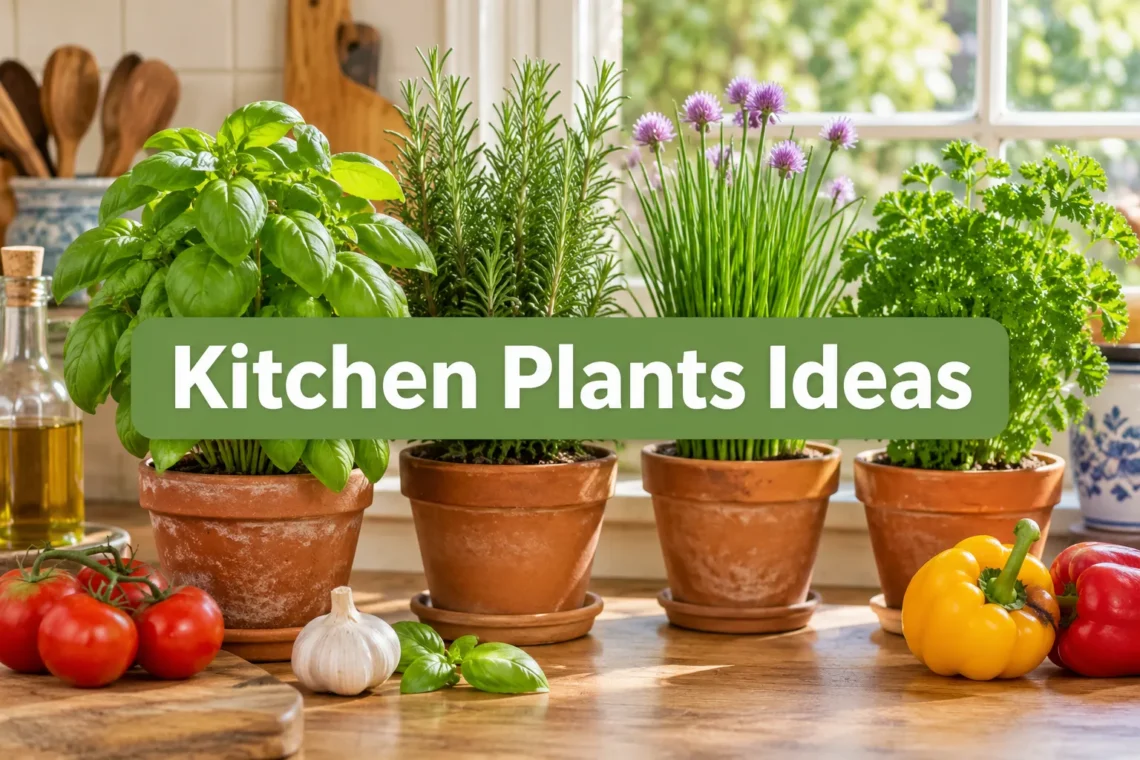
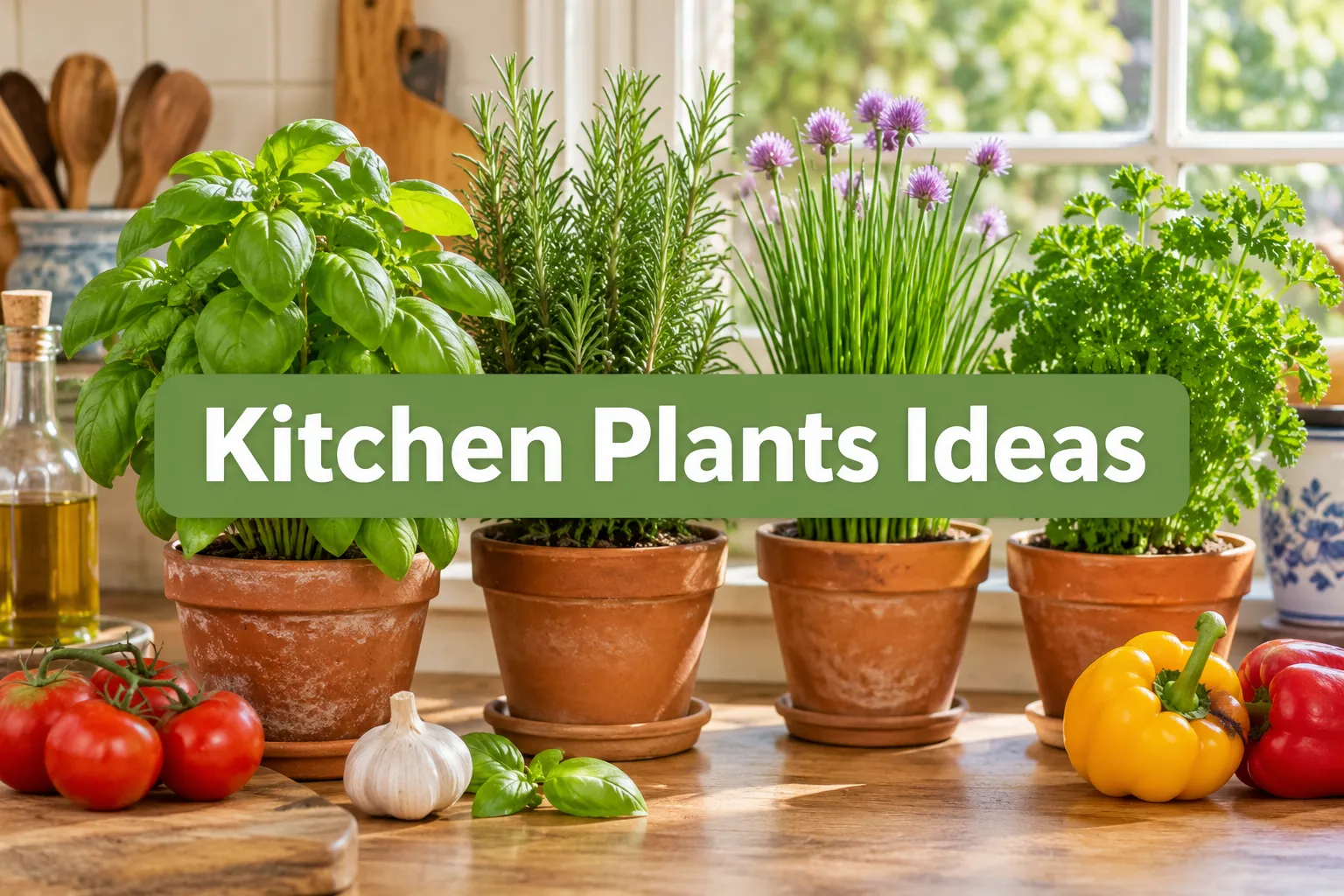
The strongest performers on a kitchen counter are basil, chives, parsley, mint, rosemary, thyme, and oregano. These seven show up again and again in expert lists because they tolerate pots, frequent clipping, and indoor air, according to Ideal Home.
Beyond those staples, cilantro, dill, lemongrass, marjoram, stevia, bay laurel, and tri-color sage round out a solid list of roughly 12-13 species that reliably handle windowsill life, per Chicago Botanic Garden research.
If you’re picking just a few to start, I’d save chives and parsley for first place. They’re forgiving, they regrow fast after a trim, and they don’t mind inconsistent light the way basil does.
How much light do kitchen herbs actually need
Most kitchen herbs need at least 6 hours of direct sun daily, ideally from a south-facing window. Without that, growth slows and stems get leggy and weak.
Chicago Botanic Garden calls this a “truly sunny window” requirement, and it applies to basil, rosemary, thyme, and oregano especially. If you’re starting herbs from seed, young seedlings actually want even more: 14-16 hours per day under grow lights to establish strong roots, per Insidegrown’s October 2026 guide.
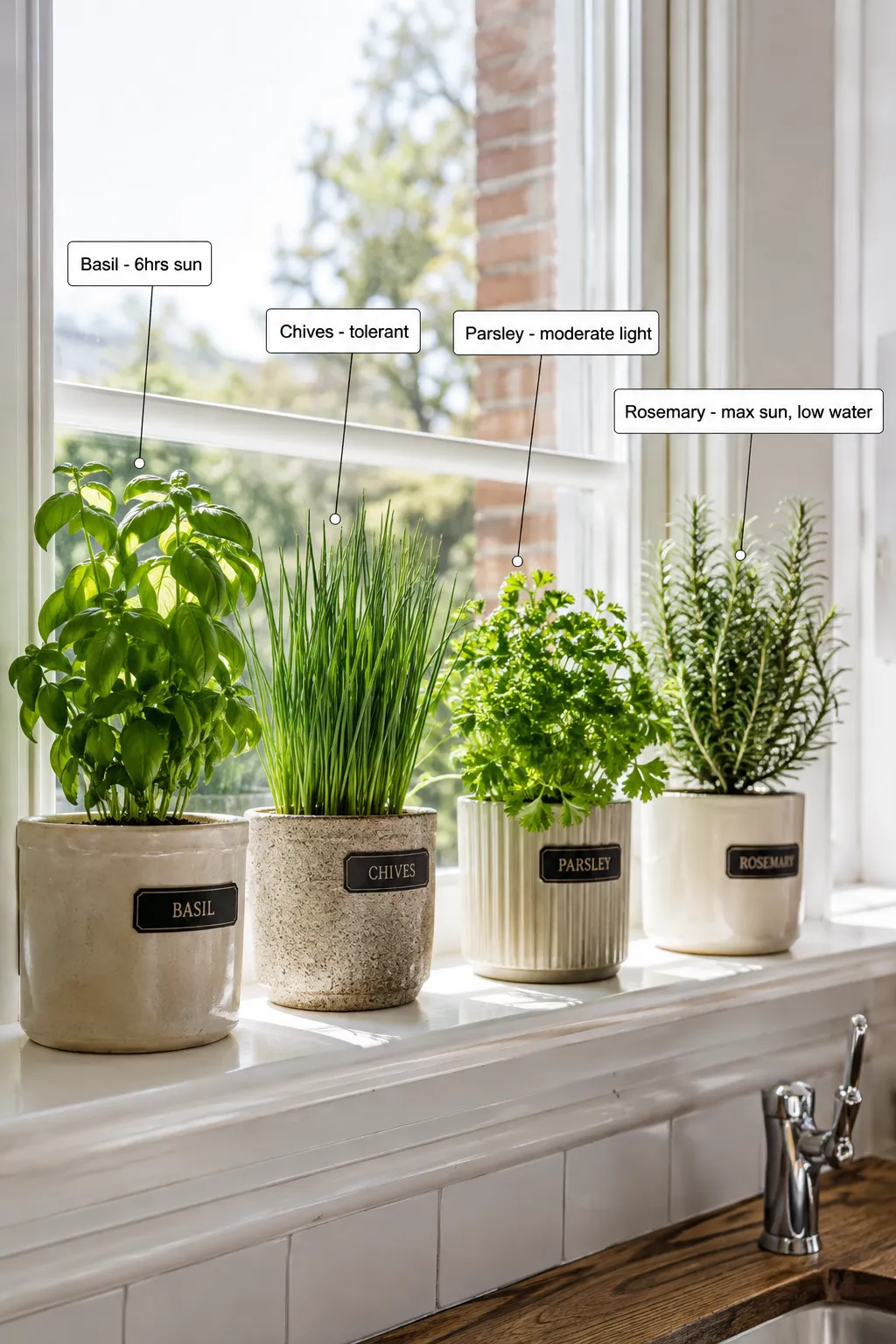
Choose a grow light if your kitchen window faces north or gets blocked by buildings. Choose natural light only if you have a clear south or west-facing window with no obstructions.
Can I grow kitchen herbs without a sunny window
Yes, but you’ll need a grow light to replace what the sun isn’t giving you. Without one, most culinary herbs will stretch, pale, and eventually stop producing usable leaves.
A basic LED grow light clipped above the counter can substitute for 6-8 hours of sun. This is the cheapest fix for apartments with north-facing kitchens or heavily shaded windows. Pair it with foliage plants like pothos or snake plant in the darker corners, since those genuinely tolerate low light better than any herb will.
Why does my basil keep dying
Basil usually dies indoors from a combination of insufficient light, inconsistent watering, and cold drafts near windows. It’s one of the more demanding herbs despite its popularity.
PlantCareClub notes basil needs warmth and steady moisture, not just occasional watering. Common mistakes include:
- Letting the soil dry out completely between waterings
- Placing the pot too close to a cold windowpane in winter
- Skipping regular harvesting, which actually encourages bushier growth
- Overwatering in a pot without drainage holes
If your basil keeps wilting despite watering, check for root rot first. Soggy, blackened roots mean the pot isn’t draining, not that the plant needs more water.
Best low maintenance plants for kitchens
The easiest kitchen plants to keep alive are chives, mint, snake plant, pothos, and ZZ plant. These tolerate irregular watering, variable light, and the heat swings that happen near a stove.
Southern Living suggests golden pothos trailing along cabinets and small succulents in a bright sink window as near-foolproof picks. If you want greenery but don’t trust yourself to remember watering schedules, start here rather than with basil or cilantro.
For design inspiration beyond herbs, browsing tall planter ideas for empty corners or Japandi-style indoor plant setups can help you figure out where low-maintenance greenery fits best in a small kitchen layout.
How to propagate kitchen herbs from cuttings
Propagating kitchen herbs from cuttings is simple: snip a 4-6 inch stem below a leaf node, strip the lower leaves, and place the cutting in a jar of water near a bright window. Roots typically form within one to two weeks for mint, basil, and oregano.
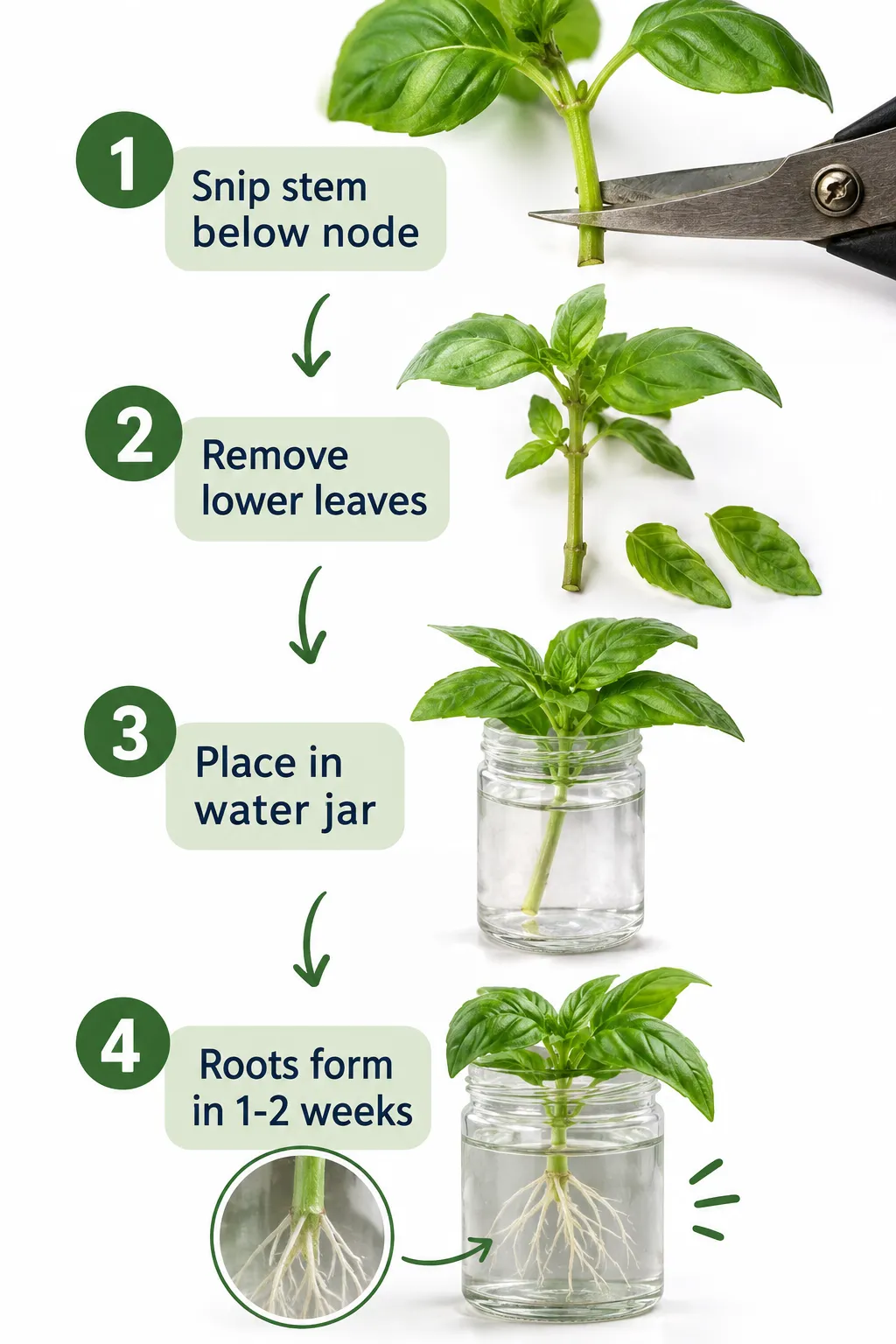
This is the cheapest way to multiply plants you already own, and it works especially well with mint, which roots almost too easily. Once roots reach about an inch long, transplant into regular potting mix. For more jar-based growing ideas, check out plants you can grow in water for a longer list of easy cuttings.
What’s the cheapest way to start a kitchen herb garden
The cheapest way to start is growing from seed in repurposed containers rather than buying nursery starts. Egg cartons, tin cans, and mason jars all work as seed-starting trays.
Moneycontrol’s November 2026 feature describes filling egg carton compartments with light potting mix to sow coriander, fenugreek, or spinach seeds. You can also regrow scallions, celery, and lettuce from kitchen scraps in a jar of water, a budget trick highlighted in House Digest’s 2026 trend report on tabletop vegetables.
Choose seeds if you’re patient and want volume on a budget. Choose nursery starts if you want something usable within days rather than weeks.
Are pothos and philodendrons safe for kitchen areas
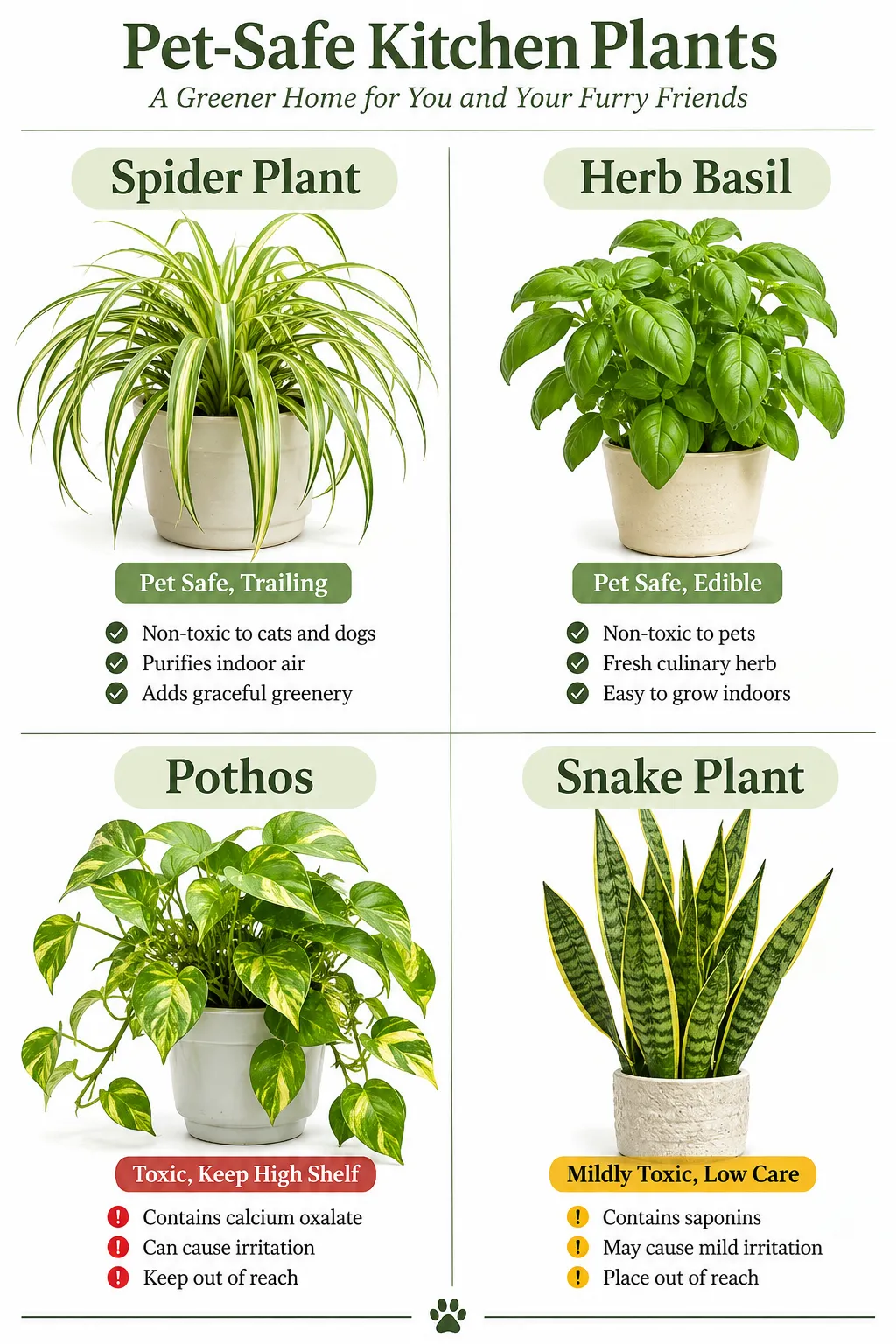
Pothos and philodendron are mildly toxic if ingested by people or pets, so they’re fine for kitchen shelves but should stay out of reach of curious dogs, cats, and small children. They’re popular precisely because they tolerate kitchen heat, steam, and inconsistent watering.
If you have pets that chew on leaves, place these on high open shelving rather than counter level. For holiday styling with this plant, see pothos Christmas decor ideas, and for general upkeep, the pothos winter care checklist covers common yellowing issues.
Do kitchen plants need special soil or just regular potting mix
Most kitchen herbs and foliage plants do fine in regular, well-draining potting mix. Only a few specialty cases, like succulents or orchids, need a different blend.
Culinary herbs prefer a light, well-draining mix so roots don’t sit in water. If you’re repurposing containers like tins or jars without drainage holes, add a layer of gravel at the bottom to prevent root rot. Regular potting soil works for basil, chives, parsley, oregano, thyme, pothos, snake plant, and ZZ plant alike.
Which herbs shouldn’t be planted together
Mint should never share a pot with other herbs because its roots spread aggressively and choke out neighboring plants. Keep mint isolated in its own container, always.
Beyond mint, pairing fast growers like basil with slow woody herbs like rosemary in the same small pot often means one outcompetes the other for light and water. It’s better to give basil, rosemary, and thyme separate containers even if they sit side by side on the same tray.
Can you grow kitchen herbs hydroponically
Yes, many kitchen herbs including basil, mint, and chives grow well hydroponically, often faster than in soil, because roots have constant access to nutrients and water. This method suits small kitchens without much counter space for pots.
A basic hydroponic setup can be as simple as a jar with a net cup suspended in nutrient solution near a sunny window. Choose hydroponics if you want faster growth and less mess. Choose soil if you prefer a simpler, more forgiving system for beginners.
How often should I water kitchen counter plants
Most kitchen herbs need watering when the top inch of soil feels dry, which is typically every 2-4 days depending on heat and pot size. Foliage plants like pothos and snake plant need far less, often once every 1-2 weeks.
Overwatering is the most common mistake people make with kitchen plants near sinks, since it’s tempting to splash water on them while doing dishes. Stick to checking soil moisture by touch rather than a fixed schedule.
Best kitchen plants if you have cats or dogs
Pet-safe kitchen plant choices include basil, rosemary, thyme, parsley, and spider plant, all non-toxic to cats and dogs according to ASPCA guidelines referenced across houseplant care resources. Avoid pothos, philodendron, and aloe at nose level if pets are curious chewers.
If you already have pothos or aloe, simply relocate them to hanging planters or high shelves rather than removing them altogether.
Do kitchen herbs taste better than store bought
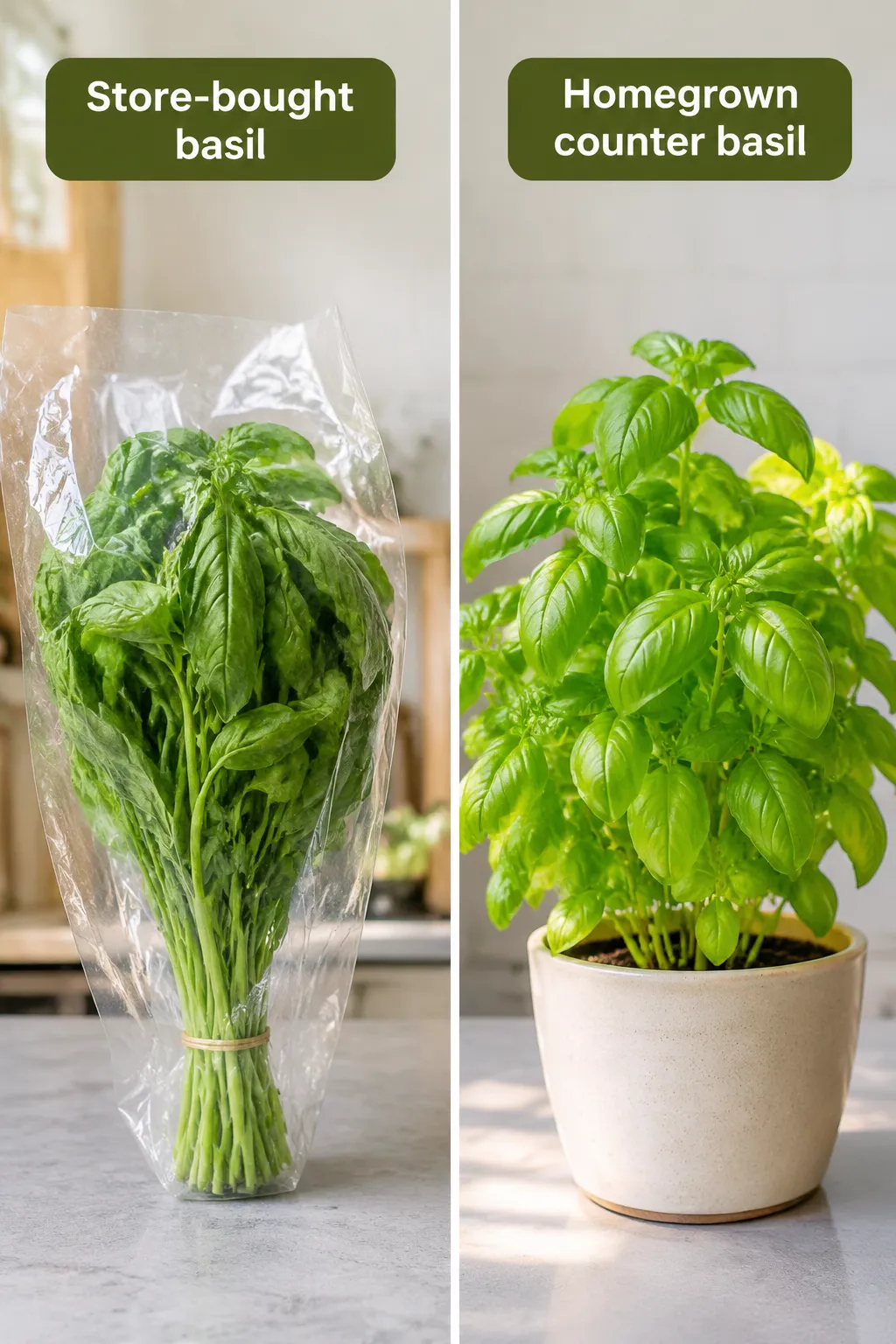
Fresh-cut homegrown herbs generally taste brighter and more aromatic than store-bought bunches because volatile oils degrade quickly after harvest. A basil leaf snipped seconds before cooking carries far more fragrance than one that’s traveled from a farm to a plastic clamshell.
This isn’t just a feel-good claim, it comes down to the chemistry of essential oils breaking down over time and in cold storage. If you cook often, growing your own pays off in flavor more than in grocery savings.
FAQ
Small kitchen plants ideas
Small kitchens do best with vertical solutions: windowsill herb rails, wall-mounted planters, and open shelving with trailing pothos or small succulents. This keeps counters clear while still adding greenery.
Kitchen plants that don’t need sunlight
Snake plant, ZZ plant, and pothos tolerate low light better than any culinary herb, making them the best picks for windowless or north-facing kitchens.
How long does it take basil to germinate indoors?
Basil typically germinates in 5-7 days indoors under adequate warmth and light, according to Indoorgarden.ee.
Can I keep herbs alive through winter indoors?
Yes, but humidity drops with forced-air heating, so place pots on trays with river rocks and water, and rotate containers so all sides get light, as recommended by Chicago Botanic Garden.
What’s the easiest herb for a total beginner?
Chives and mint are widely considered the most forgiving herbs for beginners since they tolerate inconsistent watering and varied light levels.
Is cilantro hard to grow indoors?
Yes, cilantro is known for bolting quickly and struggling with indoor heat, making it trickier than basil or parsley for beginners, per the Old Farmer’s Almanac.
Do I need grow lights for a kitchen herb garden?
Only if your kitchen lacks a south-facing window with 6+ hours of direct sun. Otherwise, natural light is sufficient for most herbs.
Can succulents go on a kitchen counter?
Yes, small succulents tolerate bright kitchen light well and need minimal care, making them a good decorative addition near a sink window.
Conclusion
Building a kitchen plants ideas setup doesn’t require a greenhouse or a design degree. Start with two or three forgiving herbs like chives and parsley, add a tough foliage plant like pothos or snake plant for the shadier corners, and build from there as your confidence grows.
My save-worthy advice: photograph your kitchen’s light patterns over a day before buying anything. That one habit will save you more plants than any fertilizer or app ever will. Whether you’re drawn to a devol kitchens aesthetic with open shelving or a more compact galley layout, the right mix of herbs and greenery will make the space feel alive, not just functional.
For more layout inspiration, browse houzz-style garden ideas or explore beginner-friendly houseplant guides before your next counter refresh.


3 Comments on “Kitchen Plants Ideas: 12 Herbs and Greenery That Thrive Near Your Counter”