

Last updated: November 2, 2026
Quick Answer
Indoor plants for air purification offer a modest, real but limited boost to indoor air quality. They’re not a replacement for mechanical air purifiers or good ventilation, but certain species like pothos, snake plants, and peace lilies can help filter small amounts of specific pollutants when placed correctly and grouped in sufficient numbers.
Key Takeaways
- A single houseplant does very little on its own; you’d need dozens per room to match a mechanical air purifier.
- Snake plant, pothos, and peace lily are commonly recommended, though evidence for home-scale impact is thin.
- Plants work best as a supplement to ventilation and air purifiers, not a replacement.
- Low-light rooms still have good options, including pothos and snake plant.
- Overwatering, not pests, kills most houseplants.
- Cats and dogs can be harmed by peace lily, pothos, and several other popular “air purifying” plants.
- Fake plants don’t purify air at all, but they also won’t die on you.
- Humidity and psychological comfort from plants may matter as much as any chemical filtering.
Here’s the thing most garden blogs skip: the famous NASA houseplant study that kicked off this whole trend was done in sealed lab chambers, not real rooms with doors, windows, and airflow. That gap between lab and living room is the real story.
How do indoor plants actually purify air
Plants pull some airborne chemicals through tiny pores in their leaves called stomata, and soil microbes around the roots help break down a portion of what lands there. This process is real but slow, and it only affects a narrow slice of common indoor pollutants.

A 2021 review of the science found that plants can remove certain volatile organic compounds (VOCs) like formaldehyde and benzene in controlled settings, but the removal rate in an actual bedroom or office is far smaller than people assume. The leaves absorb gases, the roots and surrounding soil microbes metabolize some of it, and a little moisture gets released back into the air through transpiration.
What plants generally cannot touch: particulate matter from smoke or dust, mold spores floating through your HVAC system, or most combustion byproducts from gas stoves. For those, you need filtration, not foliage.
Which indoor plants are best for air purification
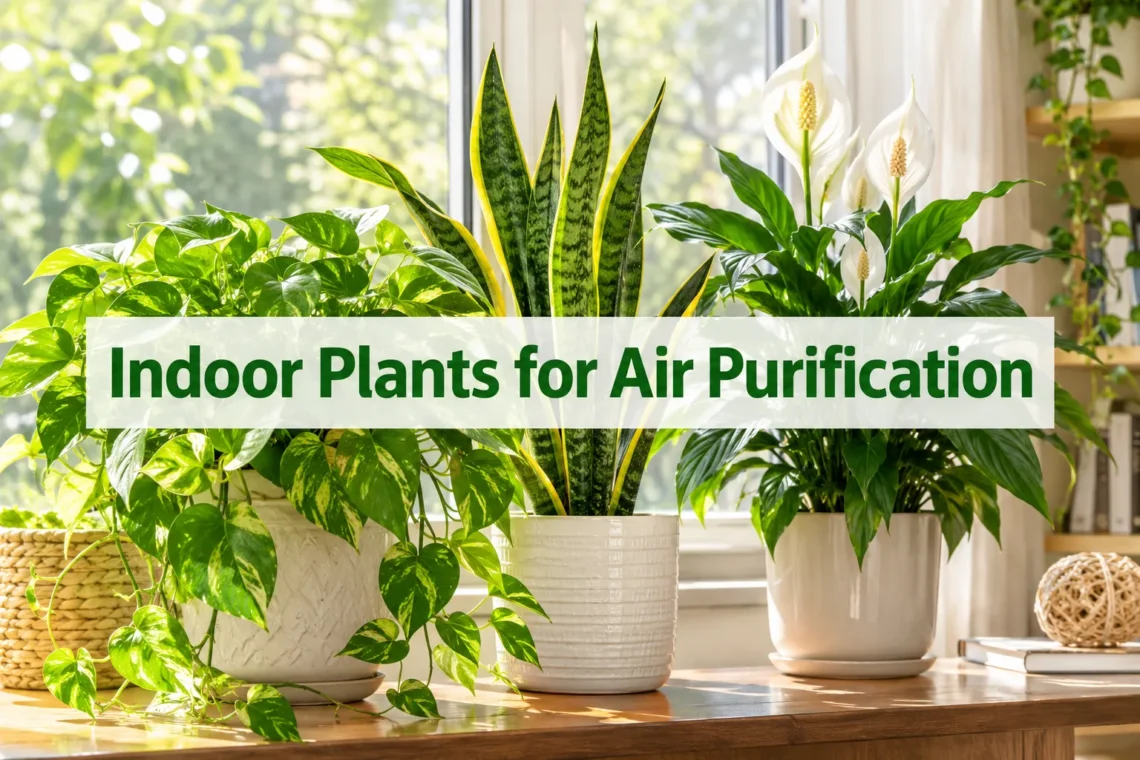
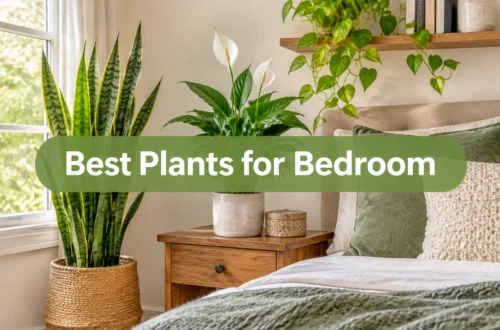
The most commonly cited plants are snake plant, pothos, peace lily, spider plant, and rubber plant, based largely on lab studies rather than real-room testing. These species are popular because they’re also easy to keep alive, which matters more than people think.
A commonly referenced list from Healthline and extension resources like Cornell Cooperative Extension includes:
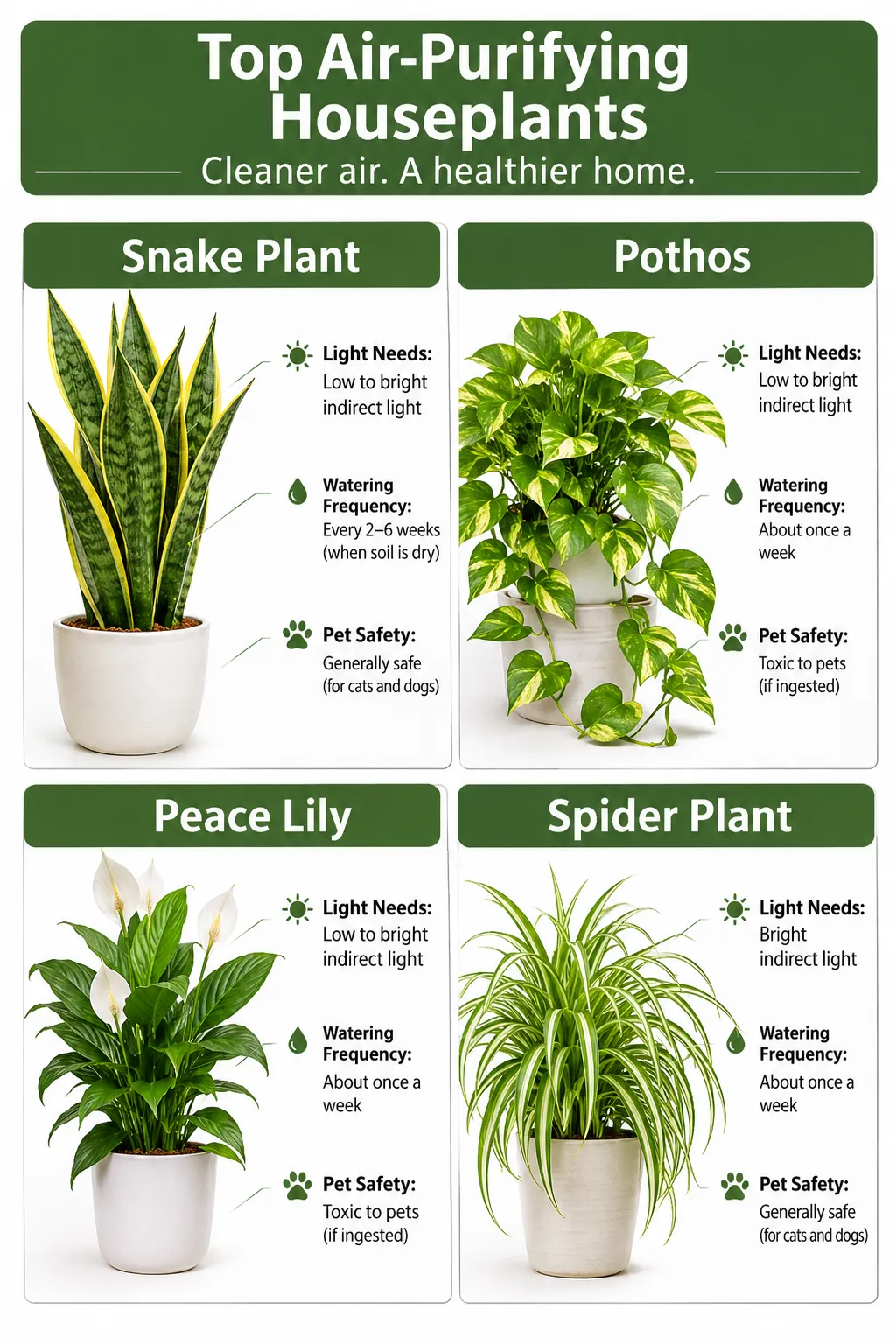
- Snake plant (Sansevieria): tolerates neglect, low light, and releases oxygen at night.
- Pothos: fast-growing vine, thrives in low to medium light, very forgiving.
- Peace lily: flowers indoors, prefers medium light, needs consistent moisture.
- Spider plant: pet-friendlier option, grows fast, easy to propagate.
- Rubber plant: larger leaves, good for bigger rooms, moderate light needs.
If you want something low-maintenance to start with, our guide to houseplants for beginners who always kill their plants walks through the easiest options step by step.
Do air purifying plants really work or is it just marketing
Honestly, it’s somewhere in between. Plants do absorb a small amount of certain pollutants, but the scale needed to make a measurable difference in a real room is far beyond what most people keep at home.
A widely cited research review covered by MinnPost looked at 60-plus plant air quality studies and concluded that houseplants have very little measurable effect on indoor air in rooms with normal air exchange rates. A separate synthesis discussed by Earth.com echoed that finding, noting the gap between lab chamber results and actual living spaces is large.
Here’s the honest takeaway: plants are not a primary air cleaning solution, according to recent guidance reviewed in late 2026. Treat them as a nice bonus, not your main defense against indoor pollution.
What’s the best air purifying plant for low light rooms
Pothos and snake plant are the top picks for dim rooms because both tolerate low light without stretching, yellowing, or dying off quickly. Neither needs a south-facing window to survive.
If your apartment has north-facing windows or deep interior rooms, check our full breakdown of houseplants for low light that survive neglect for more species that handle shade well. ZZ plant is another solid low-light option worth adding to that short list.
Decision rule: choose pothos if you want fast vine growth to fill a shelf or hanging planter; choose snake plant if you want something upright and nearly indestructible in a corner.
Where should I put air purifying plants in my home for max effectiveness
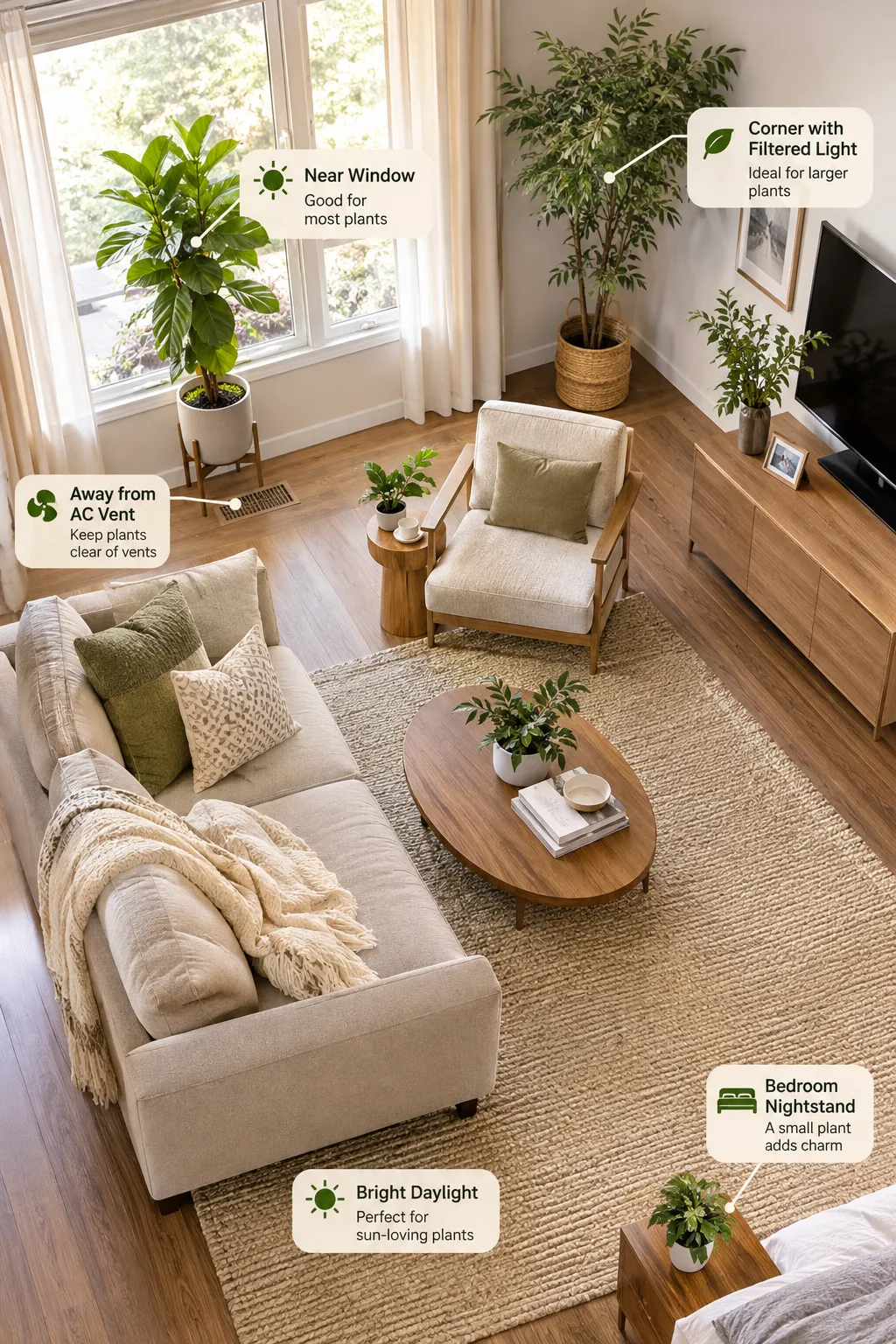
Group plants near areas with moderate airflow, like a few feet from a window or air vent, rather than sealed in a corner with no circulation at all. Clustering several plants together in a room also does more than scattering single pots across the house.
Good placement spots:
- Living room, near a window with filtered light
- Bedroom, away from the direct blast of an AC vent
- Kitchen, away from stove heat and grease splatter
- Bathroom, if it gets enough indirect light (peace lily tolerates humidity well)
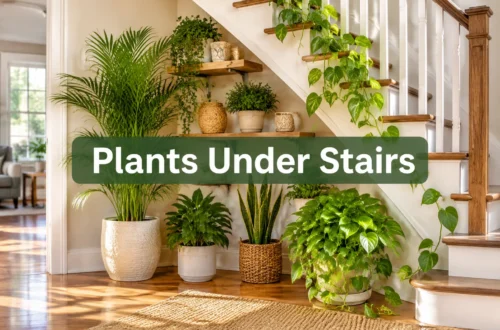
Avoid placing plants directly against a cold exterior wall in winter or in a closed room with zero air movement. If you’re short on floor space, a tall planter tucked into an empty corner is a practical way to add greenery without blocking foot traffic.
How many plants do I need to actually clean the air in a room
Realistically, you’d need far more plants than anyone keeps in a typical home to make a measurable dent in air quality. Individual plants have very low “clean air delivery rates” compared to even an inexpensive mechanical purifier, according to EPA guidance.
Some older estimates suggested one plant per 100 square feet, but that figure came from sealed lab chambers, not ventilated rooms. In practice, a dozen or more plants in a single room might offer a small, hard-to-measure benefit, while a standard HEPA purifier can process the entire room’s air several times an hour.
What are the easiest air purifying plants to keep alive
Pothos, snake plant, and ZZ plant top the easy list because they tolerate irregular watering, average light, and general neglect. These three survive mistakes that kill fussier plants like ferns or orchids.
Quick care notes:
- Pothos: water when soil is dry an inch down, tolerates low light.
- Snake plant: water every 2-3 weeks, thrives on neglect.
- ZZ plant: similar to snake plant, stores water in rhizomes.
Browse more beginner-friendly picks in our houseplants and indoor growing section, or check the pothos care category if you want to go deep on one plant family.
Can air purifying plants help with allergies and asthma
Plants may offer indirect comfort through added humidity, but they can also worsen allergy symptoms if soil grows mold or if pollen-producing flowers are involved. The effect on asthma specifically is not well established in home settings.
Overwatered soil is a common mold source, so let soil dry between waterings if anyone in the house has respiratory sensitivity. The EPA’s indoor air quality guide recommends source control and ventilation as the primary allergy and asthma strategies, with plants playing, at best, a minor supporting role.
Are air purifying plants toxic to cats or dogs
Yes, several popular air purifying plants, including peace lily, pothos, and some rubber plant varieties, are toxic to cats and dogs if chewed. Symptoms range from mouth irritation to vomiting, depending on the species and amount ingested.
Pet-friendly swaps include spider plant, areca palm, and Boston fern, none of which are considered toxic by the ASPCA. If you have curious pets, place riskier plants on a tall planter stand well out of jumping range, or stick to the pet-safe list entirely.
What’s cheaper: air purifying plants or an actual air purifier
Plants are cheaper upfront, usually costing $10 to $40 per pot, while a quality mechanical air purifier runs $100 to $300 plus filter replacements. But purifiers clean measurably more air per hour, according to EPA data on clean air delivery rates.

For most homes, the smart move is both: plants for ambiance, humidity, and a small supplemental boost, and a mechanical purifier for the heavy lifting, especially in cities with higher outdoor pollution, a growing concern noted in 2023 reporting on urban air quality.
How often do I need to water and care for air purifying plants
Most popular air purifying plants need watering every 1-2 weeks, with soil allowed to dry out between sessions. Overwatering is the single most common way people kill these plants.
General rhythm:
- Check soil moisture with a finger before watering.
- Water thoroughly until it drains from the bottom.
- Empty the saucer so roots aren’t sitting in standing water.
- Wipe dusty leaves monthly so stomata can breathe properly.
Which air purifying plants grow fast and don’t need much light
Pothos and spider plant both grow quickly in low to medium light, making them good choices for renters who move things around often or want quick visual coverage on a shelf. Both also propagate easily from cuttings, so one plant becomes several for free.
What kills indoor plants and how do I stop that from happening
Overwatering is the top killer, followed by poor drainage, too little light, and inconsistent care. Root rot from soggy soil ends more houseplants than pests or disease combined.
To prevent it:
- Use pots with drainage holes, always.
- Check soil before watering instead of following a fixed schedule.
- Match the plant to the light your room actually gets, not the light you wish it had.
- Watch for yellowing leaves as an early warning sign of overwatering.
If your plants are heading indoors for the cold months, our step-by-step checklist for bringing houseplants in for winter covers the transition in detail, and the pothos winter care checklist is useful if yellow leaves show up specifically on that plant.
Can fake or artificial plants purify air
No, artificial plants have no biological processes and cannot absorb or filter any pollutants whatsoever. They offer zero air quality benefit, though they do add greenery to a space without any care requirements.
If you want the look without the maintenance risk, fake plants are fine for décor, but don’t expect any functional air benefit, and don’t let marketing copy convince you otherwise.
My own experience with this
I’ll be honest here: my living room has six plants, and I don’t notice a measurable air difference, but I do notice the room feels calmer. That’s probably the psychological and humidity benefit talking, not some dramatic VOC removal. Emerging research into engineered green walls and plant biofilters, tested between 2023 and 2026, suggests the “what works” answer may shift toward denser, engineered plant systems rather than a few pots on a windowsill, according to a recent synthesis published in 2026. For now, though, a few favorite houseplants help clean air home environments in a small way, and they look good doing it.
FAQ
Can plants help remove toxins from air?
Yes, in small amounts. Plants absorb some VOCs like formaldehyde and benzene through their leaves, and soil microbes break down a portion of what settles near the roots. The effect in a real room is much smaller than lab studies suggest, so plants work best alongside ventilation, not instead of it.
Why is Gen Z obsessed with plants?
Houseplants became a social and aesthetic trend tied to home decor, mental wellness, and social media sharing. Caring for plants also offers a low-stakes routine and sense of accomplishment, which appeals to younger renters looking for affordable ways to personalize small living spaces.
What is the best plant for a Scorpio?
Astrology-based plant picks aren’t backed by horticultural science, but snake plant is often suggested for Scorpios because of its bold, resilient nature matching the sign’s intensity. It’s also genuinely easy to keep alive, so it works regardless of what you believe about star signs.
What plant removes 78% of airborne mold naturally?
This specific figure isn’t supported by verified scientific sources and appears to stem from marketing claims rather than peer-reviewed research. No single houseplant has been reliably shown to remove a fixed percentage of airborne mold in real home conditions.
Conclusion
Indoor plants for air purification deserve a place in your home, just not as your only air quality strategy. Pick easy species like pothos, snake plant, or peace lily, group a few together near windows with decent airflow, and keep a mechanical air purifier running for the heavy lifting, especially if you live somewhere with real outdoor pollution. Water less than you think you should, watch for yellow leaves, and keep anything toxic away from curious pets. Start with one or two forgiving plants this week, see how they do in your light conditions, then expand from there.



One comment on “Indoor Plants for Air Purification: What Works and Where to Put Them”